
Choosing Fencing Supplies and Materials After Wind Damage
If a storm ripped through your yard around Highland, WI, you are probably staring at bent posts, missing rails, and a fence line that no longer feels secure. This guide helps you sort through fencing supplies and materials so you can rebuild with the right fit for your property, your fence type, and the conditions you deal with season after season.
- Quick answer
- What to check first
- Main things customers should understand
- Why this matters in Highland, WI
- Common mistakes
- Customer checklist
- Frequently asked questions
After high winds, the damage can look simple from the driveway, but the real problem is usually deeper: a post that shifted below grade, rails that twisted out of alignment, or fasteners that loosened when the fence flexed. If you are trying to decide what fencing supplies and materials to buy, you may also be wondering whether you should match what you had or switch to something stronger.
This guide will help you understand what to inspect, which materials are typically better for different fence types, and how to plan a repair that holds up. You will also find local considerations for Highland, WI, where weather swings can stress fences in more than one way.
Quick Answer
Start by checking posts, hardware, and alignment before you buy materials. Replace any posts that moved or cracked, then plan on reusing only the rails and pickets that are straight and securely fastened. For most wind-damaged repairs, new galvanized or properly rated fasteners matter as much as the fence material itself. If you want a fence line that is easier to maintain after storms, compare options like chain link fence installation for visibility and durability, or wood fence installation when you want a traditional look. If you are unsure, get a local inspection so the right parts are ordered the first time.
What to Check First
Before you price out supplies, walk your fence line and look for the “root” issues that wind damage creates. The fastest repairs happen when the framing is solid and the fence can be tightened back into alignment. Focus on posts, rails, gates, and the way the fence sits in the ground.
Professional observation: Wind usually bends the fence first, but the real failure is often at the post connection points where movement loosens hardware.
1) Posts: shifted, cracked, or leaning
Look for posts that are out of plumb, have visible cracks, or that feel loose when you apply gentle pressure. If a post shifted, replacing it is usually more reliable than trying to “pull it back” with new rails. For gate sections, pay extra attention because the load is higher and the hinges transfer stress to the post.
2) Rails and pickets: straightenability vs. replacement
Some boards and rails can be corrected, but twisted members often keep fighting the fence once you fasten them. If you see noticeable bowing, repeated splitting, or damaged ends where hardware attaches, replacement saves time later.
3) Fasteners: rust, looseness, and missing hardware
Wind can loosen screws, bolts, and brackets. Check for stripped holes, missing caps, and fasteners that show early corrosion. Matching the right type of fastener to your fence material helps prevent repeat failures.
4) Fence line alignment: gaps and sag
If your fence now has uneven spacing, sagging rails, or large gaps near the ground, the fence was likely stressed beyond simple surface damage. Correcting alignment during the repair is what makes the final build look straight and work properly.
Chain link
Often repairs well when framework and tension points are addressed, especially after wind shifts.
Wood
Rebuilds are usually about matching board condition and ensuring posts and rails are solid.
Privacy and vinyl
Look for panel damage and fastening issues before you assume the whole section needs replacing.
Main Things Customers Should Understand
Once you know which parts are damaged, the next decision is choosing fencing supplies and materials that fit both your fence type and your property. Here is how to think through that decision without guessing.
Practical recommendation: If you are rebuilding a wind-damaged section, plan materials around the structure first (posts and rails), then address the fence “skin” (boards, mesh, panels, or pickets).
Material choice by fence purpose
Different fence materials handle wind and everyday wear in different ways. If your goal is visibility and a durable perimeter, chain link fence installation often makes sense. If your goal is a classic look and you prefer a solid appearance, wood fence installation can fit well when the framing is built to last. If privacy is your priority, privacy fence installation typically focuses on panel integrity and proper fastening so the wind cannot pry sections out of place.
Hardware and compatibility
Even the best fence material can fail early if the hardware is mismatched. Consider whether your existing system uses compatible brackets, tension systems, or post hardware. When you update materials, also update the connectors so the new parts work with the remaining fence sections.
Ground conditions and post depth
Wind damage can expose weak anchoring. When the ground is soft or the post depth was insufficient for the fence height and spacing, the fence will flex more during storms. Repairs often require verifying post placement and ensuring the rebuild does not repeat the same weak points.
Maintenance expectations after the repair
Some homeowners want the lowest day-to-day effort. Others are fine with periodic inspection and upkeep. Your material choice should match how you want to spend your time. If you are comparing options, build your decision around how the fence will look and perform between inspection seasons.
| Fence material category | Best fit after wind damage when… | What to inspect during repairs |
|---|---|---|
| Chain link | You need durable perimeter protection and visibility, and you want to address tension and framework rather than replacing large areas. | Posts, bracing, tension points, and any bent framework members. |
| Wood | You want a traditional look and can match materials while replacing any compromised framing. | Post movement, rail straightness, board end damage, and fastener condition. |
| Privacy fencing | You need solid screening and want the rebuild to resist panel shifting. | Panel integrity, proper fastening, and alignment across the section. |
| Vinyl fencing | You prefer a low-maintenance exterior and want to rebuild sections without exposed wood components. | Panel connections, mounting hardware, and any warping or cracking. |
| Farm & animal fencing | You need containment and a system that holds up under active use. | Gate hardware, line post stability, and any compromised sections along the run. |
Why This Matters in Highland, WI
In Highland, WI, fence repairs do not happen in a vacuum. Temperature swings, seasonal moisture, and repeat wind events can stress a fence line over time. That is why the “right” fencing supplies and materials are the ones that restore the structure and hardware, not just the visible panels. If you are rebuilding near neighboring areas like Dubuque, Madison, La Crosse, Milwaukee, Tomah, Beloit, Cedar Rapids, Galena, Baraboo, or Portage, the same storm patterns can show up differently depending on how your fence is positioned and how the ground holds posts.
One firsthand-style observation from the field
On wind-damaged fence projects, the most frequent issue we see is homeowners replacing the “face” of the fence while leaving a shifted post or loose connection behind. The repair looks fine for a short period, then the fence loosens again because the structure never fully regained its original stability. Taking the time to confirm post and hardware condition is what prevents repeat repairs.
Common Mistakes to Avoid
It is easy to spend money on the wrong fencing supplies and materials when the fence feels like it is “basically fine” but not straight. These are the mistakes that usually add extra time and cost after wind damage.
- Replacing boards or panels while keeping posts that are still leaning or cracked.
- Reusing hardware with stripped holes, rusted connectors, or missing brackets.
- Assuming gaps happened “just because boards got pushed” instead of correcting alignment.
- Choosing a fence material based only on appearance, without matching it to the fence’s purpose and load.
- Ignoring gate sections until the end, even though gates carry more stress at hinges and latches.
Customer Checklist
Use this checklist to plan your next steps after wind damage. It will help you communicate clearly, order the right fencing supplies and materials, and avoid surprises when you start rebuilding in Highland, WI.
- Walk the entire fence line and mark every section with post movement, rail twist, or missing hardware.
- Check gate posts, hinges, and latch areas for looseness or misalignment.
- Pull one fastener to confirm whether the hardware is still solid or if holes have stripped.
- Measure the damaged section length and note fence height so materials match the existing layout.
- Decide whether you will match the current fence type or switch to a new material category.
- Confirm you have the right connectors and mounting pieces for the fence material you choose.
A representative scenario: rebuilding a corner section after a storm
A homeowner in Highland, WI noticed that one corner of a wood privacy fence was visibly leaning after a windy afternoon. They replaced a few boards that looked broken, but the next gust caused the rail line to sag again. During an inspection, the real issue was the corner post movement and loosened rail connections. The repair plan changed to replace the compromised post, straighten the rail line, and update the fasteners before reinstalling the fence boards. The final section looked even and stayed aligned because the structure was corrected, not just the surface.
Frequently asked questions
Should I match my existing fence material after wind damage?
Matching is often the simplest way to keep the fence line consistent, especially if only a portion was damaged. That said, you should make the decision based on structural condition first. If posts and connections are compromised, you may need to replace more than the visible parts. Many homeowners also choose a different material category when they want a different balance of visibility, privacy, or long-term maintenance.
What fencing supplies and materials matter most for a long-lasting repair?
The biggest difference usually comes from the parts that hold the fence upright: posts, rails, and the hardware that connects everything. Even when boards or panels look damaged, a repair can fail early if the underlying framework or fasteners are not solid. For the rebuild, focus on compatible connectors, secure mounting, and correct alignment so the fence can resist repeat wind stress.
Can chain link be a good option after a storm?
Chain link fence installation can work well when you want durable perimeter protection and visibility. After wind damage, the key is addressing the framework and tension points so the system stays aligned. If your current fence line was shifted or the posts moved, those must be corrected during the repair plan, regardless of the fence material you choose.
How do I decide between wood fence installation and vinyl fence installation?
Wood fence installation can be a good choice when you want a traditional look and you are comfortable with periodic inspection. Vinyl fence installation may appeal if you prefer a low-maintenance feel and want a consistent exterior look. In both cases, the same structural principles apply after wind damage: confirm posts and connections are stable, rebuild misalignment, and use compatible hardware so the fence does not loosen again.
Do I need special materials for farm & animal fencing?
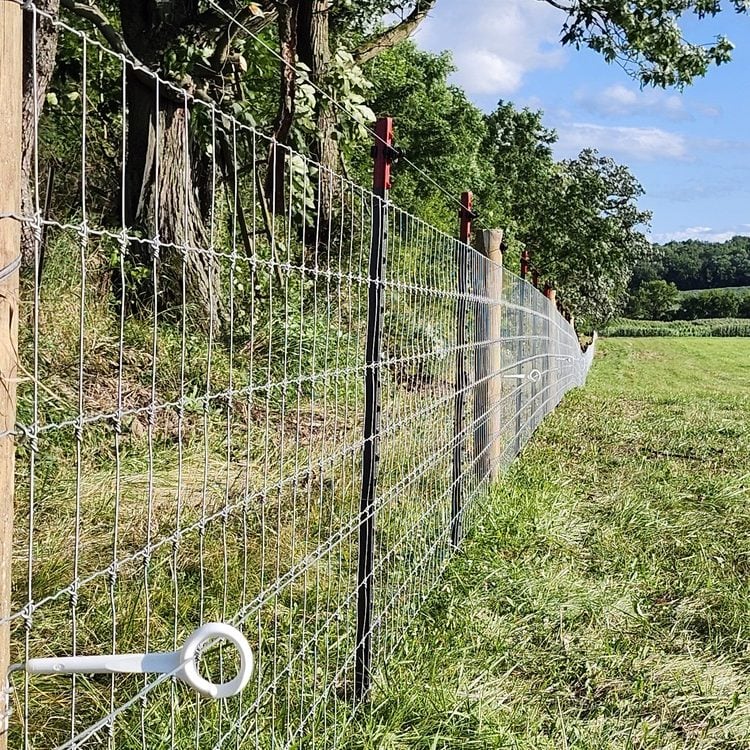
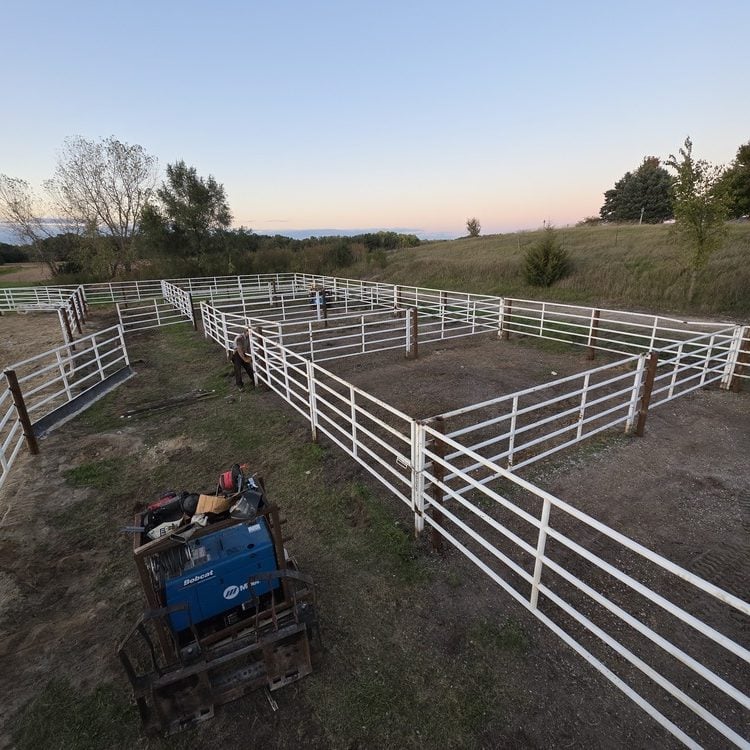
Farm & animal fencing is designed for containment and regular use, so the material category and hardware matter. During wind damage repairs, check gate hardware and the line posts closely because those areas take more stress. Choosing fencing supplies and materials that match your containment needs helps reduce the chance of gaps forming later.
Get help picking materials for your wind-damaged fence
If you are unsure what to replace versus what you can reuse, a quick assessment can prevent ordering the wrong fencing supplies and materials. H&S Fencing & Supply can help you think through fence type, the condition of posts and hardware, and what to order for a rebuild in Highland, WI.
Talk with H&S Fencing & Supply
Schedule guidance and get a clear plan for your fence repair materials.
Call (608) 732-4260Ready to rebuild the fence line correctly?
When wind damage changes a fence’s alignment, the repair needs to restore the structure, not just the surface. If you want to compare fence services or explore options for your property, start with the service pages below and then reach out so the right materials can be selected for your situation in Highland, WI.
Helpful next steps: Explore fence service options like fencing services and choose the fence type that matches your goals. If you want a classic look, review wood fencing considerations. For perimeter visibility and durability, consider chain link fencing. For properties that need more than a simple fence line, see access control services.
Contact H&S Fencing & Supply
Get local help choosing fencing supplies and materials after storm damage.
View Services at hsfences.com
About H&S Fencing & Supply
H&S Fencing & Supply is a fence contractor serving Highland, WI and nearby communities. We help homeowners and property owners choose the right fencing supplies and materials, then plan and install fence solutions that fit the purpose of the property, including options like wood fence installation, chain link fence installation, and privacy-focused fencing.