

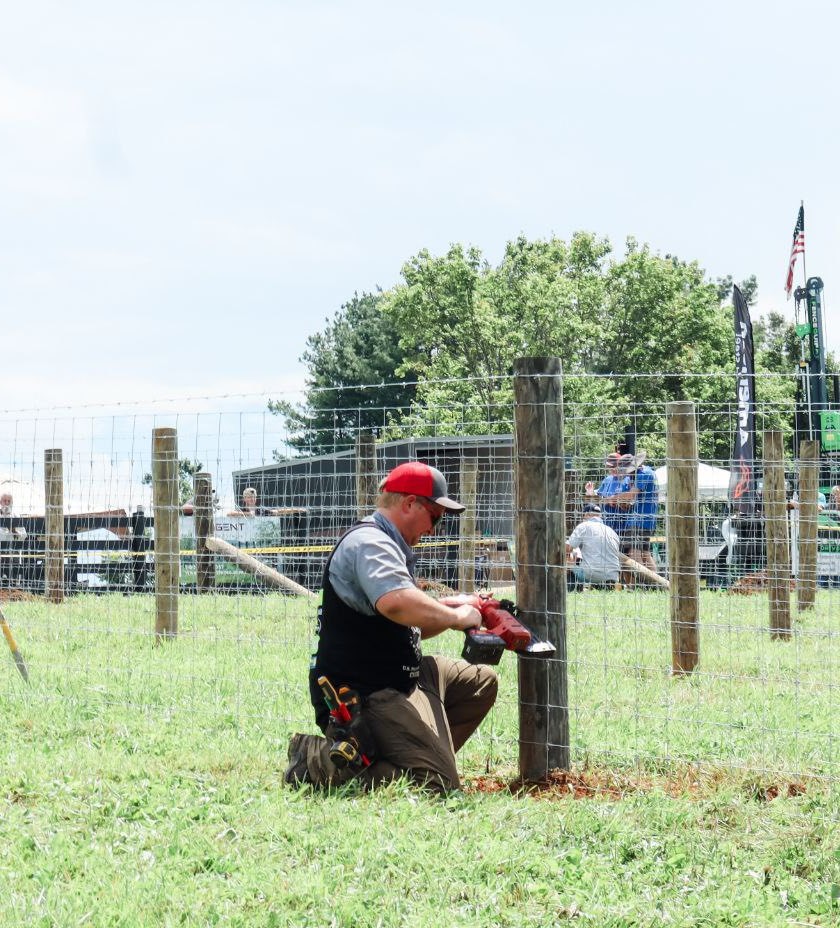
Farm and Animal Fencing Near Me for Safety
If you have livestock, pets that roam, or a busy farm lane near traffic, a fence is more than “property lines.” It is your daily safety boundary. This guide explains how to choose farm & animal fencing that helps keep animals contained and people protected around your Highland, WI property.
You notice it first in the small ways. A latch that does not sit quite right, a gap along the bottom after heavy rain, or a section that looks a little more bowed than it did last season. Then you start thinking about the worst-case scenario: animals getting out, kids or visitors wandering too close, and drivers seeing an unexpected animal near the roadway.
This guide helps you sort through material options and layout decisions for farm & animal fencing, with a focus on safety and practical build details. You will learn what to check on your property, what to avoid, and how to ask the right questions when you are ready to schedule chain link fence installation or other fencing work in and around Highland, WI.
- Quick answer
- What to check first
- Main things customers should understand
- Why this matters in Highland, WI
- Common mistakes to avoid
- Customer checklist
- Frequently asked questions
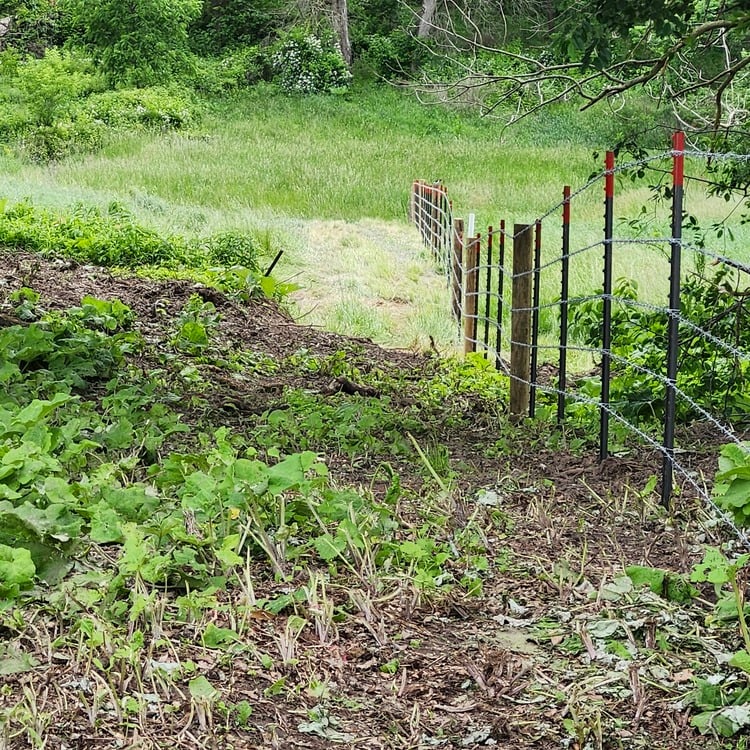
Quick Answer
For safe farm and animal fencing, match the fence type to the animal and the weak points on your property. Start by inspecting gaps at corners, gates, and along the bottom edge where weather and ground movement can open spaces. Then choose materials and heights that fit your animals’ behavior, not just aesthetics. If you are weighing chain link fence installation versus wood fence installation or vinyl fence installation, talk through your layout and access needs so the gate hardware and line posts support daily use. For Highland, WI properties, getting the build details right upfront helps reduce “fix it later” problems.
What to Check First
Before you decide on farm & animal fencing supplies and materials, walk the perimeter like you are the animal. Look for climb points, squeeze gaps, and areas where the fence line does not sit firmly. Pay extra attention to the “high-stress” areas: gate openings, fence corners, and any section near water runoff where the ground can shift.
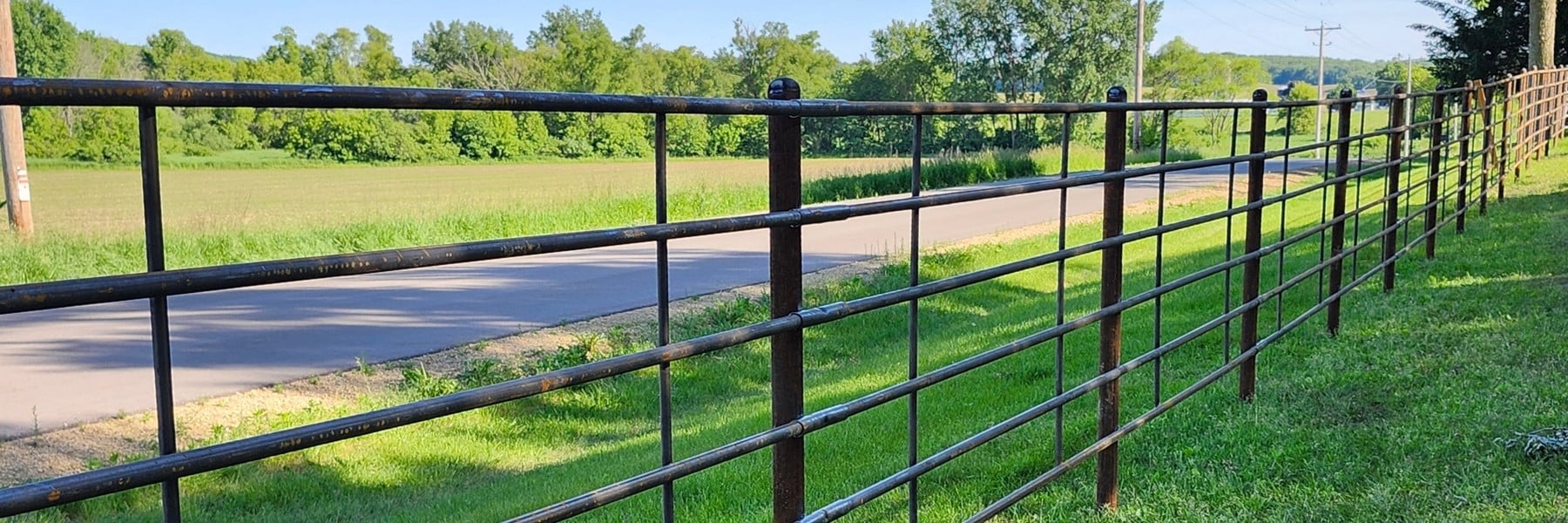
Gaps and bottom clearance
Even a small opening under a fence can become a regular exit route once animals learn it.
Gate fit and latch behavior
Safety depends on gates staying aligned. If a gate drags or does not fully latch, animals will test it.
Corner stability
Corners and end posts take the most strain. If they are weak, the fence line can loosen over time.
Main Things Customers Should Understand
The best “near me” fencing choice is the one that fits how your animals move and how you use the property. A fence that looks solid at first glance can still fail safety goals if it is not designed for the specific animal size, climbing behavior, and the daily routine around feeding, watering, and access.
Professional observation: The most common safety issues I see are not the fence panel itself. They are the transitions: where the fence meets a gate, where it meets a post line, and where it meets uneven ground.
Materials you will hear about: chain link fence installation, wood fence installation, vinyl fence installation, and privacy fence installation. Each can be part of a safe setup when the layout and hardware match the job.
A quick decision table for common animal fencing needs
| Fence type | Where it often fits | Safety details to discuss |
|---|---|---|
| Chain link fence installation | Perimeter containment and areas where visibility matters. | Line post spacing, corner strength, and gate alignment for daily use. |
| Wood fence installation | Properties where you want a traditional look and solid barrier sections. | Post anchoring, panel integrity, and how the bottom edge is handled. |
| Vinyl fence installation | When you want a low-maintenance approach for residential-style sections. | Stability at corners and how gates are built for consistent latching. |
| Privacy fence installation | When you need visual blocking along part of the property line. | Wind exposure considerations and maintaining strong gate hardware. |
Firsthand-style field reality: what “looks straight” can still miss
In real farm layouts, the fence line rarely follows perfectly flat ground. Even if the top looks level from the driveway, there can be subtle dips and rises that create a low spot. Animals tend to choose those spots because they are easier to squeeze through or step over. That is why a safety-focused install pays attention to bottom clearance, corner hardware, and consistent tension along the run, not just the fence height on paper.
Access control matters for animal safety
If you regularly open gates for livestock, deliveries, or equipment, consider how you manage access. For some properties, the right approach is pairing fencing with access control so the fence line stays secure between uses. If that sounds like your situation, you can review access control services to understand how access and security work together.
Why This Matters in Highland, WI
In Highland, WI, your fence has to handle seasonal swings and the everyday reality of farm movement. Weather changes can affect ground conditions and gate alignment, and farm traffic means gates get opened frequently. When you are planning farm & animal fencing near me, it helps to think about the areas people and animals share: drive lanes, entry points, and near barns or equipment storage. Those are the spots where a safety-first design and careful installation details make the biggest difference.
Common Mistakes to Avoid
If you have ever watched an animal repeatedly test the same fence section, you have already seen what happens when details are missed. These are the mistakes that commonly undermine safety, even when the materials seem strong.
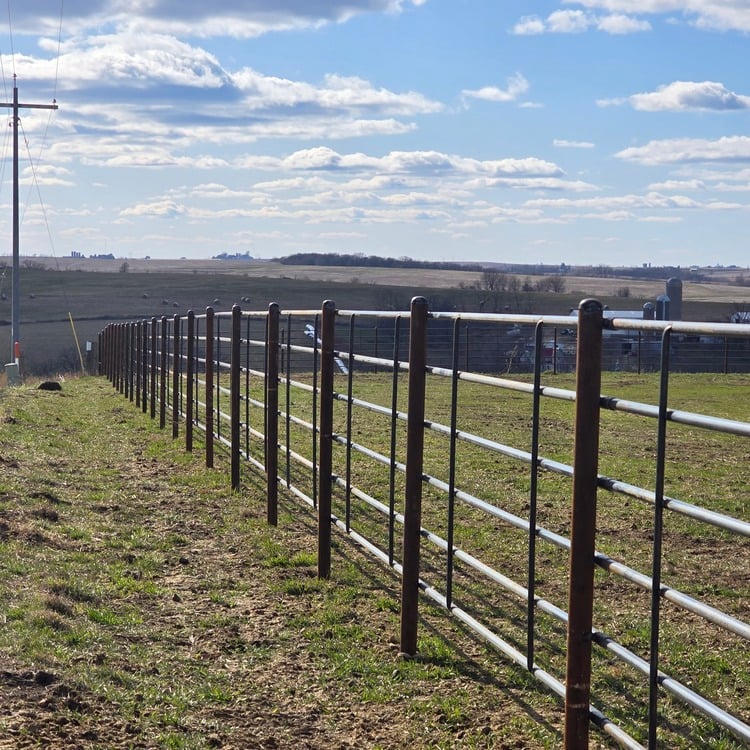
- Ignoring bottom clearance: Ground shifts and uneven terrain can create escape routes along the base.
- Choosing a fence type without matching the animal: Height and barrier style must fit behavior, not just curb appeal.
- Underbuilding corners and end posts: Corners carry strain. Weak anchors can loosen the entire line over time.
- Overlooking gate hardware: Latches and hinges are the safety system. If they do not stay aligned, containment fails.
- Skipping a plan for fencing supplies and materials: The right materials only help when they match the install details for your layout.
Customer Checklist
Use this practical checklist before you call a fencing contractor. It will help you describe your needs clearly and make sure your project is designed for safe daily use around your Highland, WI property.
- Identify where animals are currently getting close to the fence line (corners, gates, bottom gaps).
- List the animals you need to contain and how they typically move (climb, squeeze, roam).
- Measure your main gate openings and note how often they are used.
- Mark any uneven ground areas or spots that collect water after rain.
- Decide what level of visibility you want along the perimeter (for example, chain link fence installation can keep sightlines).
- Confirm whether you prefer privacy fence installation sections or a more open look for other runs.
- Plan for the right fence type pairing across your property (for example, different materials for different zones).
A representative scenario: “the gap near the gate”
A homeowner near Highland noticed that their animals were not escaping from the long fence runs. The issue showed up at the gate area after wet weather, where the bottom edge seemed to sit slightly differently each time. Instead of replacing the entire fence, they focused on the transition: gate alignment, corner support, and the base clearance at that specific point. That targeted approach improved containment because it addressed the exact safety failure area, not just the fence appearance.
Need help choosing farm & animal fencing near Highland?
If you want a safety-first approach, H&S Fencing & Supply can help you talk through layout details, fencing supplies and materials, and the right fit for your property. Reach out to schedule a conversation.
Explore fencing servicesFrequently asked questions
Here are common questions homeowners and property managers ask when planning farm & animal fencing around Highland, WI and nearby communities.
What fence type is best for keeping animals contained?
How do gates affect animal safety?
Should I worry about gaps along the bottom edge?
Can privacy fence installation work for farm animal areas?
Do I need fencing supplies and materials before I talk to a contractor?
Ready to secure your farm or animal area?
For farm & animal fencing in Highland, WI, call (608) 732-4260 or browse fencing services to see the types of installs available.
About H&S Fencing & Supply
H&S Fencing & Supply is a fence contractor serving Highland, WI and surrounding areas. They help customers choose and install fencing solutions for residential and farm needs, including chain link fence installation, wood fence installation, vinyl fence installation, privacy fence installation, and related fencing supplies and materials.