
Farm and Animal Fencing Near Me for Security
If you are noticing gaps near gates, sagging panels, or animals testing the fence line, the real problem is usually not “just the fence.” It is the combination of fence type, installation details, and how it holds up to weather and daily use around Highland, WI.
You want your animals contained, but you also need the fence to handle real farm life: gate traffic, equipment bumps, winter freeze-thaw cycles, and windy days that stress posts and hardware.
This guide helps you understand what “secure” fencing actually means for farm & animal fencing. You will learn how to choose materials and layouts, what to check before you buy or hire, and which installation details matter most when you want dependable results near Highland, WI.
- Quick answer
- What to check first
- Main considerations
- Local factors
- Common mistakes
- Customer checklist
- Frequently asked questions
Quick Answer
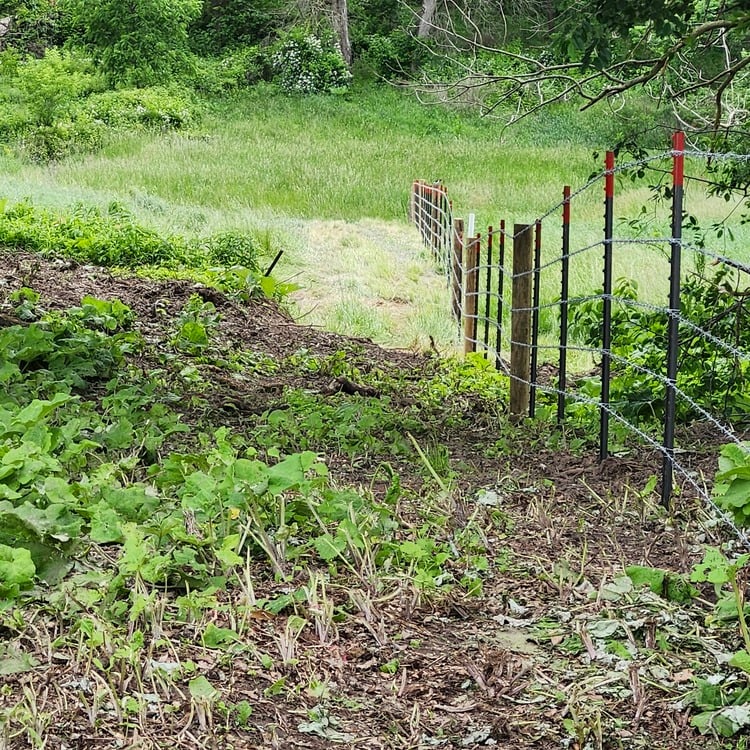
Secure farm and animal fencing near Highland, WI comes down to three things: the right fence style for the animal you are containing, solid post and gate installation, and a perimeter layout that limits escape routes. Start by identifying where animals are testing or where gaps form, then match fence height and openings to your animals’ behavior. If you want the best chance of long-term security, work with a fence contractor who installs fencing as a system, not as individual panels. For material options, H&S Fencing & Supply can help you plan fencing supplies and materials that fit your use.
What to Check First
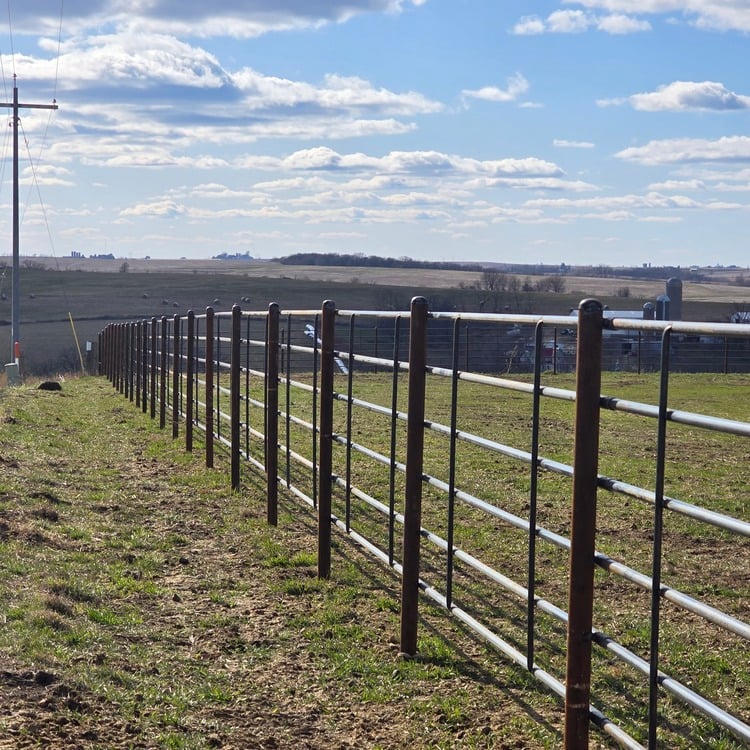
Before you decide on chain link fence installation, wood fence installation, or vinyl fence installation, walk your property line like an animal would. Look for the “weak points” that repeatedly create trouble: the bottom edge near grade, corners where panels meet, and gates that get opened and closed every day.
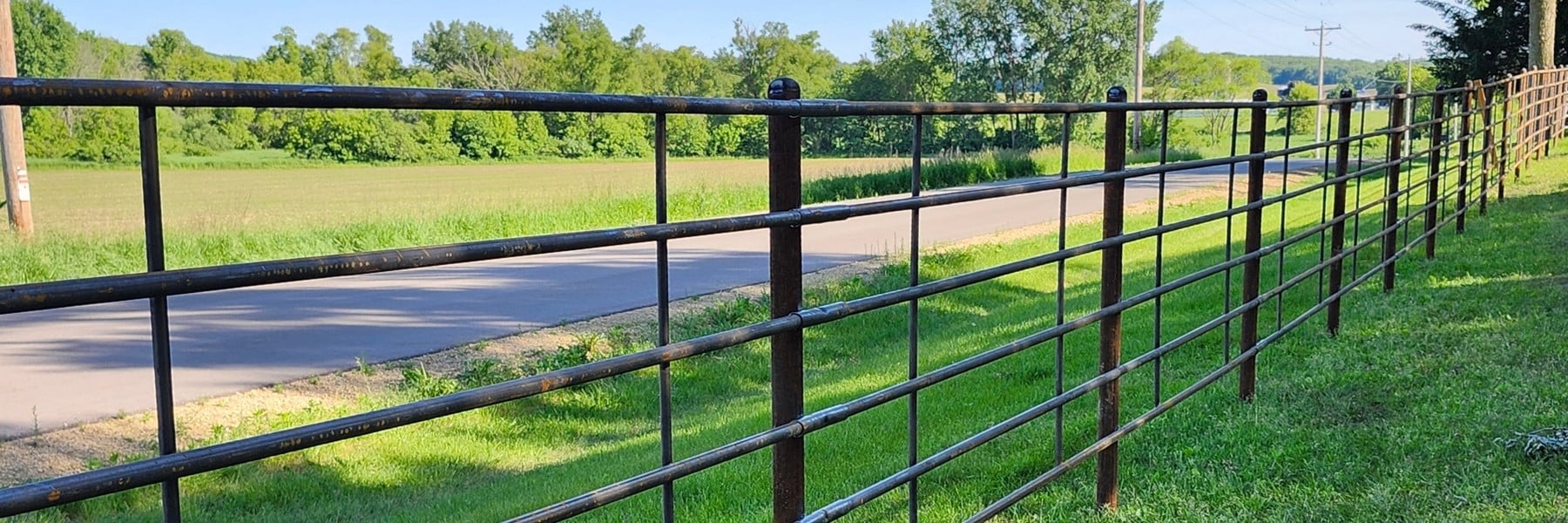
Professional observation: The most secure fence is the one that stays tight at the corners and the gate line. Many “failure” calls are actually hardware, alignment, or bottom-gap issues rather than the fence material itself.
Start with these quick checks:
- Gate fit and latch alignment: If the gate drags or the latch does not fully engage, animals will find the opening.
- Bottom gaps and ground contact: Animals can slip under uneven sections or where the fence line dips.
- Corner and end-post stability: Corners and fence ends take extra pull, especially with wind and shifting soil.
- Panel spacing and openings: Make sure the openings match the animal you are containing.
Main Things Customers Should Understand
When people ask for farm & animal fencing, they often focus on the look. Security depends on the full setup: materials, spacing, height, and how the fence is anchored so it resists daily wear and regional weather.
Fence type and animal behavior
Different animals test fences differently. Some push, some climb, and some try to dig. Choosing the right fence style affects whether they can climb through openings or force their way through.
Gate hardware matters
Gate hinges, latches, and posts are often the first area to loosen. A secure fence plan treats the gate as part of the containment system, not an afterthought.
Install details for long-term holding
Post alignment, tensioning where applicable, and bottom-line continuity are the details that help fencing stay secure through seasons in and around Highland, WI.
If you are comparing options, use this decision table to think through your priorities. It is a starting point to guide the conversation with your contractor.
| Fence option | Best fit for security needs | Things to confirm during planning |
|---|---|---|
| Chain link fence installation | When you need durable visibility and a fence style that can work well for perimeter containment. | Confirm the opening size for your animals and pay close attention to tensioning, corner strength, and gate hardware. |
| Wood fence installation | When you want a solid-looking barrier and a fence that can fit farm-style layouts. | Confirm how sections align at corners and how the bottom edge is handled where ground changes. |
| Vinyl fence installation | When you want a low-maintenance option for certain farm yard applications. | Confirm suitability for your animal needs and ensure posts and gates are installed for daily use. |
| Privacy fence installation | When you want reduced visibility and a solid barrier feel. | Confirm gate placement and how the fence line stays continuous around the areas animals test most. |
For a focused look at common farm setups and fencing styles, you can explore H&S Fencing & Supply’s service pages, including fencing services and chain link fencing.
Why This Matters in Highland, WI
Highland, WI weather can be tough on outdoor installations. Seasonal changes can affect ground contact, while wind loads can stress end posts and corners. That is why “secure” fencing in this area is often about robust installation and maintaining the gate line, not just picking a material.
Local insight: In and around Highland, WI, animals often have the same escape habits year after year. If you find where they test first, you can plan upgrades that address the weak points instead of replacing everything at once.
One practical example: if your fence line runs along a spot that stays uneven after rain or where plowing and equipment traffic happen, the bottom edge can become the first place animals slip through. Planning for that keeps your fence functional through the seasons.
Need help choosing farm & animal fencing?
Share what you are containing and where the fence is failing. H&S Fencing & Supply can help you select a secure approach for your Highland, WI property.
Contact H&S Fencing & SupplyCommon Mistakes to Avoid
Most security problems do not come from one dramatic flaw. They come from small choices that add up over time. Avoid these common pitfalls when planning farm and animal fencing near Highland, WI.
- Choosing a fence style without matching animal behavior: A fence can look strong but still allow climbing or slipping if openings and height are not right for your animals.
- Ignoring the gate line: Even a well-built perimeter can fail if latches, hinges, or alignment do not stay consistent with daily use.
- Underestimating corners and end posts: Corners and fence ends take extra strain. If they are not installed for pull, fencing can loosen faster.
- Overlooking ground contact: Uneven grade and bottom gaps are frequent causes of “it keeps happening” situations.
- Replacing only one damaged section: If multiple weak points exist, a partial fix may not stop the problem from shifting to the next vulnerable area.
Customer Checklist
Use this checklist to prepare for a fencing conversation. The more specific you can be about the problem area, the easier it is to plan a secure fence system.
- Identify the exact spots where animals are getting out or testing the fence.
- Note gate behavior: does it sag, drag, or latch inconsistently after use?
- Measure or estimate fence height and where bottom gaps appear.
- List the animals you are containing and how they typically interact with fences (climb, push, dig).
- Point out corner and end-post locations that experience the most stress or movement.
- Consider how weather and equipment traffic affect the fence line year-round.
Representative Scenario
A property owner near Highland, WI notices their animals are consistently finding the same escape route. The fence panels look intact from a distance, but the gate line does not close flush and the corner end post shifts slightly during windy days. Instead of swapping random sections, they focus on tightening the gate fit, reinforcing corner stability, and addressing bottom-line continuity where the ground dips. That approach restores containment because it fixes the actual weak points the animals exploit.
Frequently asked questions
If you are comparing fencing options for farm and animal security, these are the questions most homeowners and property managers ask first.
What fence style is best for farm & animal fencing security?
Should I focus on chain link fence installation or wood fence installation?
How do I know if my privacy fence installation idea will actually stop escapes?
Can fencing supplies and materials be part of the solution?
What should I do if the issue keeps moving after a repair?
Ready to make your fence line more secure?
H&S Fencing & Supply installs farm and animal fencing approaches designed around the real weak points on your property in and around Highland, WI.
Call (608) 732-4260
About H&S Fencing & Supply
H&S Fencing & Supply is a fence contractor serving Highland, WI and nearby communities across Wisconsin and the surrounding region. Their focus is helping customers plan and install secure fencing solutions, with service options that include chain link fencing and residential fencing, plus support for fencing supplies and materials.