
How Often to Replace Worn Fencing Supplies and Materials
If your fence in Highland, WI has started leaning, sagging, or leaving gaps, you are probably wondering whether you should patch it or replace key fencing supplies and materials. This guide helps you spot the right “replacement moment” for posts, rails, boards, gates, and hardware so your privacy fence installation, wood fence installation, chain link fence installation, or farm & animal fencing stays secure and looks good through Wisconsin weather.
Last winter, you may have noticed the fence line “settle” a little after heavy weather, and now you are seeing the same spot again. A post that used to feel solid is wobblier, a gate does not latch cleanly, or boards are cupping and pulling away from the rails.
That is usually the point where homeowners and property managers ask a practical question: what should you replace first, and how often should fencing supplies and materials be renewed? This guide will help you understand the signs that replacement is due, what tends to wear out sooner, and what you can often repair or reinforce before the damage spreads.
- Quick answer
- What to check first
- Main considerations
- Local factors
- Common mistakes
- Customer checklist
- Frequently asked questions
Quick Answer
There is no single “every X years” schedule that fits every fence, but worn fencing supplies and materials usually need attention when you see movement (posts wobble, gates sag), structural separation (rails loosen, fasteners pull out), or weather damage (rotted wood, rusting hardware, broken links). For most installations, a practical approach is to inspect at least once a season and replace components as symptoms appear, starting with the parts that hold alignment and tension. If you are unsure, a fence contractor can help you determine whether localized board or hardware replacement is enough or if a full section needs replacement.
What to Check First
Start where the fence has to do the most work: the line posts, the gate posts, and the connection points where rails and pickets attach. In Highland, WI, freeze-thaw cycles and strong wind can loosen hardware even when the fence still looks “mostly fine” from the yard.
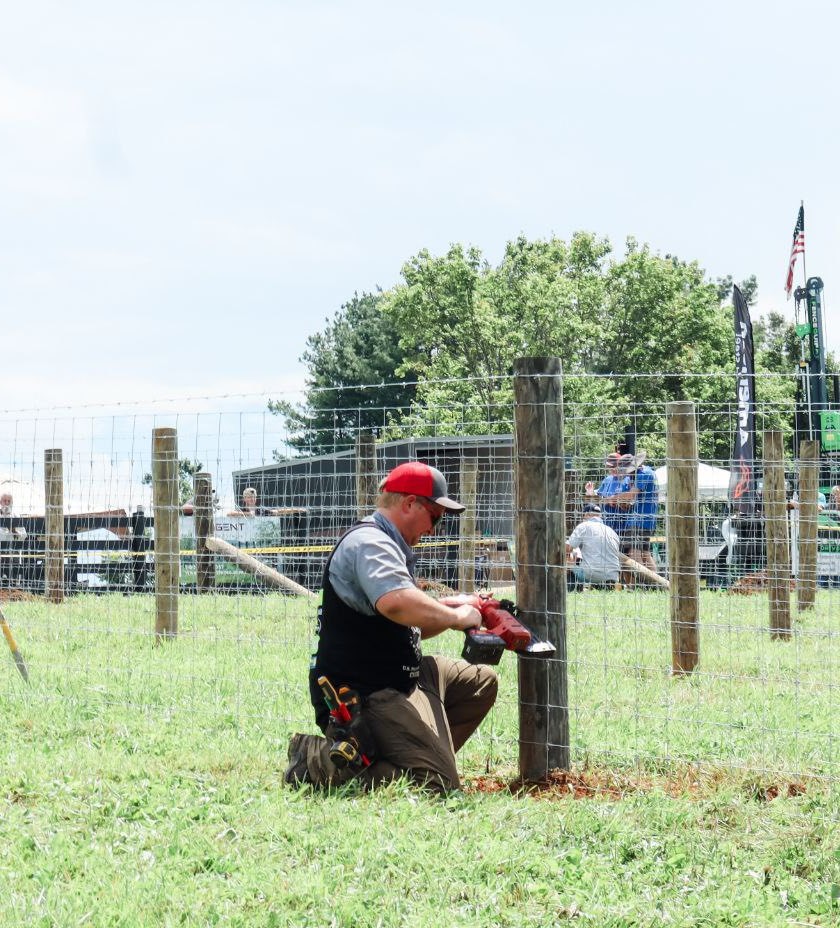
Professional observation: If a section is misaligned, replacing boards alone often leaves the same problem for the next season. Address the supporting structure and the fasteners first, then match the surface material.
Here is the order that usually prevents repeat repairs:
- Posts and post bases: Look for wobble, leaning, or gaps at the ground line.
- Rails and top rails: Check for looseness, bends, or separation from the posts.
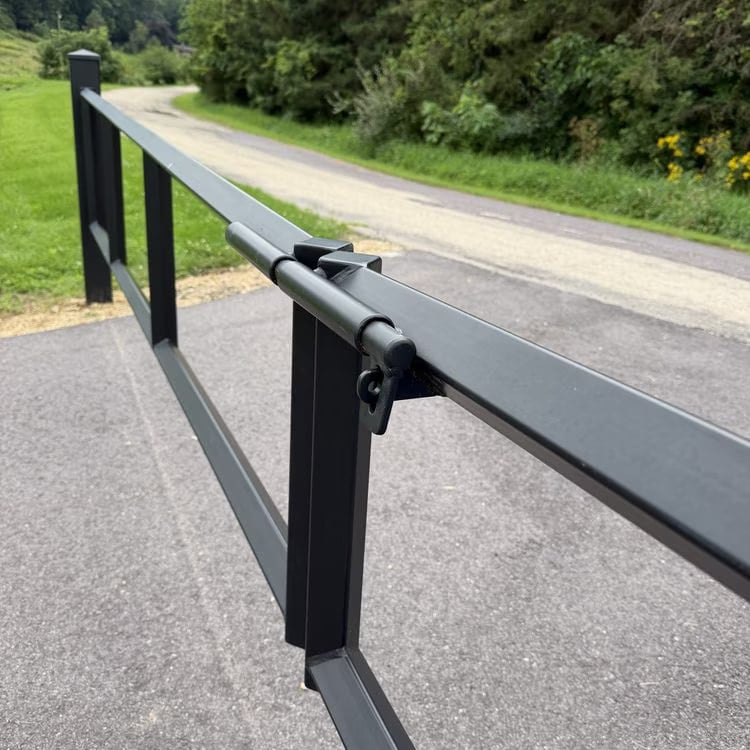
- Gates: Confirm latch alignment, hinge wear, and whether the gate drags or sags.
- Fasteners and hardware: Watch for rusted screws, pulled nails, missing clips, or damaged tension/connection points.
- Fence surface materials: Boards, panels, or fabric can be replaced after the framework is stable.
Main Things Customers Should Understand
How often you replace worn fencing supplies and materials depends on the fence type, the stress points in your yard, and how the material responds to repeated weather. Chain link fence installation and vinyl fence installation often fail differently than wood fence installation, so your “replacement triggers” should match the material.
Wood fence installation
Wood tends to show wear where moisture collects and air cannot dry quickly. When boards cup, split, or start to rot near the bottom or at fastener points, replacement is usually more effective than patching.
Privacy fence installation (panel/board systems)
With privacy systems, the surface can look worn before the frame is fully compromised. If rails loosen or posts move, replacing only the boards can shorten the life of the new material.
Chain link fence installation
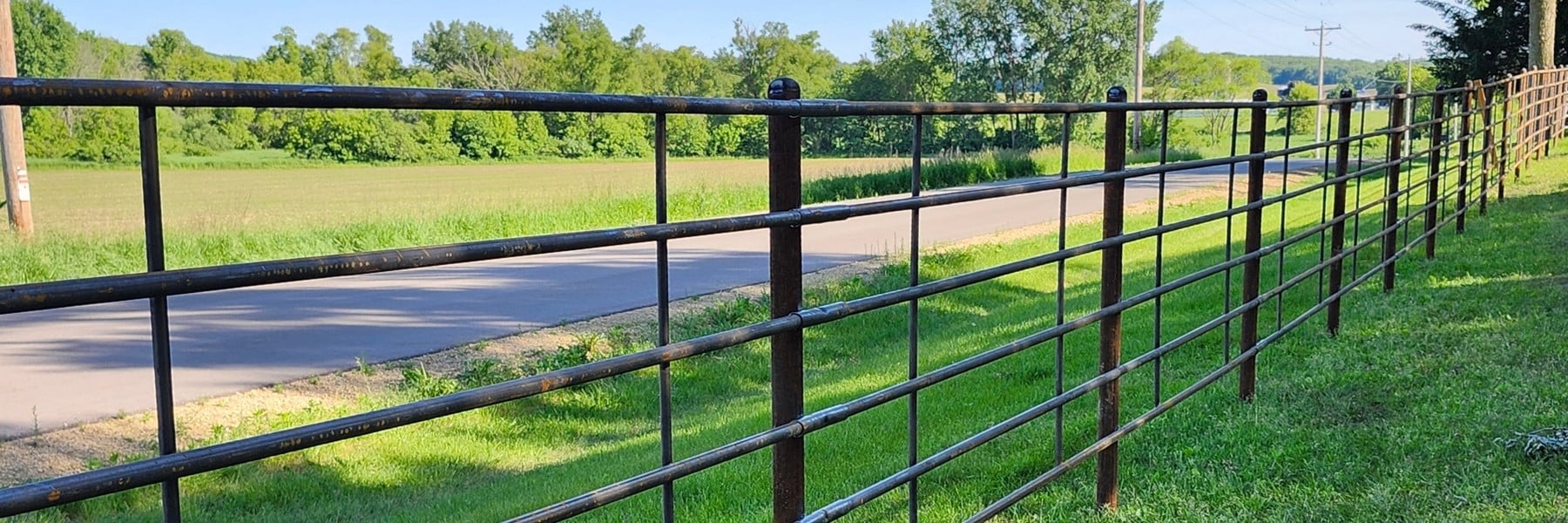
Chain link often needs attention at the tension points, posts, and gates. Bent posts, loose tension, or damaged fabric sections usually call for targeted replacement rather than waiting for full failure.
| Fence component | Common wear signs | Typical replacement timing approach |
|---|---|---|
| Line posts & gate posts | Wobble, leaning, gaps at the ground line, hinge misalignment on gates | Replace or reinforce when movement affects alignment. Do not wait for the surface to “look bad” first. |
| Rails and top rails | Bends, separation, loose connections at fasteners | Replace when rails cannot hold boards or fabric straight. Rails are often the difference between a one-season fix and a lasting repair. |
| Fasteners, brackets, and hardware | Rusting, stripped screws, missing clips, pulled hardware | Replace promptly once you see failure at connections. Hardware failures can spread into surrounding wood or cause continued loosening. |
| Fence surface materials (boards/panels/fabric) | Rot, splitting, missing pickets, sagging fabric, broken sections | Replace as needed after the framework is stable. Matching the existing system helps maintain alignment and appearance. |
Why This Matters in Highland, WI
In Highland, WI, the fence line has to handle seasonal temperature swings, wind exposure, and periods of wet conditions that can accelerate wear at the ground and at connection points. The fastest way to extend the life of fencing supplies and materials is to treat replacement as a symptom-based process, not a fixed calendar. If you wait until the surface material fails completely, you often end up replacing more than you needed because the structure has already shifted.
Local tip: If you notice a repeating problem in the same location after storms or heavy weather, that is usually a sign the supporting components need attention, not just a cosmetic patch.
For example, if your fence section near a driveway keeps loosening, check the posts closest to where vehicles pass, where snowdrifts or plow contact may happen, and where the ground may settle. That is also where chain link fence installation tension or wood rail connections can get stressed first.
Common Mistakes to Avoid
Most fencing problems do not start with the surface. They start with the parts that hold everything in line, so a “quick fix” can make the next repair more expensive.
- Replacing boards but leaving a loose rail: The new boards can fail again because the structure is still moving.
- Ignoring gate sag: A gate that does not latch properly can pull on hinges and posts, causing repeated wear to hardware.
- Waiting for total failure: When fasteners and connections fail, the damage spreads into adjacent components.
- Mixing incompatible materials: Mismatched components may not align properly or may not attach securely to the existing system.
- Skipping hardware replacement: Rusted or stripped hardware can look minor but can undermine the strength of the entire fence run.
Customer Checklist
Use this checklist during your seasonal walk-around. It helps you decide whether you need localized replacement of fencing supplies and materials or a larger structural fix.
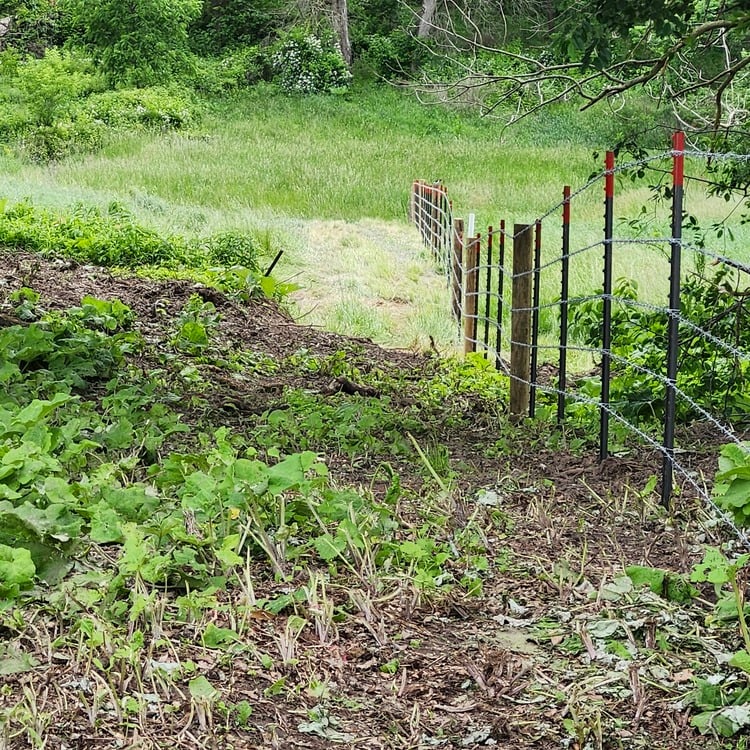
- Walk the fence line and press on posts to check for wobble.
- Inspect gate hinges and latch points for misalignment or dragging.
- Look for rusted, missing, or pulled fasteners and brackets.
- Check rails and top rails for bends or separation at post connections.
- Review the fence surface for rot, splitting, broken sections, or sag.
- Mark problem spots so you can compare them after the next major weather event.
Representative scenario
A homeowner in Highland, WI noticed their privacy fence section near the backyard gate started leaving gaps after windy storms. The boards looked weathered, so they planned to replace only the damaged sections. After a closer inspection, the gate post had shifted slightly, and the rail connections were loosening. Once the supporting components and hardware were corrected, matching board replacement aligned with the repaired framework and held steady through subsequent weather.
Frequently asked questions
These are the questions we hear most often when customers are deciding what to replace first and how often to refresh fencing supplies and materials.
Do I replace the whole fence when one section fails?
Not always. Many issues start at a specific stress point, like a gate, a corner post, or a rail connection. If the surrounding framework is straight and secure, you can often replace only the affected boards, fabric, or hardware in that section. The key is to confirm whether the supporting components are still holding alignment. If a post or rail is moving, replacing only the surface usually brings the same problem back sooner.
How can I tell whether it is a hardware problem or a material problem?
Hardware problems usually show up at the connections: rusted or missing fasteners, brackets pulling away, or rails that move even when the boards look intact. Material problems show up in the surface itself: rotting wood, split boards, broken pickets, or sagging chain link fabric. A quick test is to check whether the fence line stays aligned when you gently press near the post and rail connections. If alignment changes, focus on posts, rails, and hardware first.
What should I replace first on a sagging gate?
Begin with the hinge side and latch alignment. If the gate drags, hinges and connection points may be worn, or the gate post may have shifted. Replacing the surface boards without addressing hinge wear or post movement tends to repeat the same sagging behavior. For safety and security, treat gates as structural components because they create constant leverage on the hardware.
Are chain link fence supplies and materials replaced differently than wood?
Yes. Chain link often fails at tension points, posts, and gates, so targeted replacement can be very effective when only one fabric section or a damaged connection is involved. Wood typically requires attention to moisture-related damage like rot and splitting, especially near the ground and at fastener points. In both cases, the replacement decision should be based on what is moving or breaking structurally, not only what looks worn on the surface.
Can I just “patch” a damaged board or picket?
Sometimes, but patches work best when the surrounding rails, posts, and fasteners are still secure. If you patch a rotted area while the rail connection is loose, the new section can detach again. A practical approach is to replace damaged sections that show rot, splitting, or repeated loosening, then address the connection points that caused the failure.
Need help deciding what to replace in Highland, WI?
If you are trying to figure out whether you need wood fence installation supplies and materials, chain link fence repair, or a more complete section replacement, H&S Fencing & Supply can help you narrow it down based on what is actually moving and failing.
Call (608) 732-4260Explore fencing services by type
Fence services to match your project to the right approach.
Wood and privacy options
Wood fencing for guidance on replacement priorities and material condition.
Chain link installation support
Chain link fencing when your tension points or fabric sections need attention.
Get a clear next step for worn fencing supplies
When you are weighing replacement versus reinforcement, a quick inspection can save time and reduce repeat repairs. Contact H&S Fencing & Supply to discuss what you are seeing on your property in Highland, WI and nearby communities.
Browse services
About H&S Fencing & Supply
H&S Fencing & Supply is a fence contractor serving Highland, WI and surrounding areas. The team provides fencing services and solutions across common fence types, helping customers decide what fencing supplies and materials to replace based on real wear patterns, hardware condition, and structural alignment.