

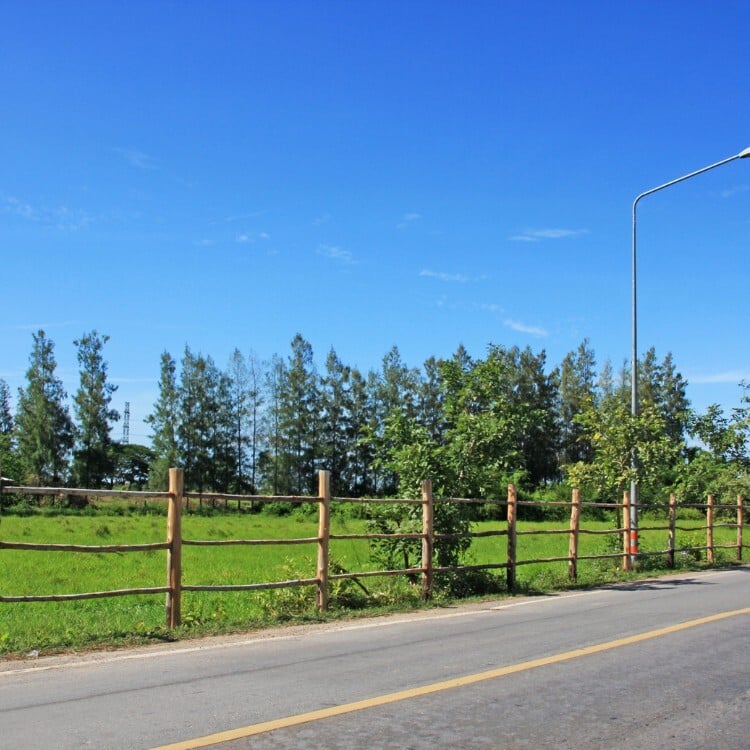
Prevent Splinters and Rot with Proper Wood Fence Installation
If your wood fence feels rough to the touch or looks like it is softening near the posts, you are not imagining it. In Highland, WI, seasonal moisture and freeze-thaw cycles can turn small installation shortcuts into splinters, loose pickets, and early rot.
Last spring, you might have noticed a few splinters when you brushed past the fence line while mowing. By late summer, the same fence can feel worse, especially where boards meet the rails or where water tends to sit around the base of posts.
This guide explains how proper wood fence installation helps reduce splinters and slows down rot. You will also learn what to check before the first board goes up, common mistakes that cause premature failure, and how to plan a fence layout that holds up in Wisconsin conditions.
- Quick answer
- What to check first
- Main considerations
- Why this matters in Highland, WI
- Common mistakes
- Customer checklist
- Frequently asked questions
Quick Answer
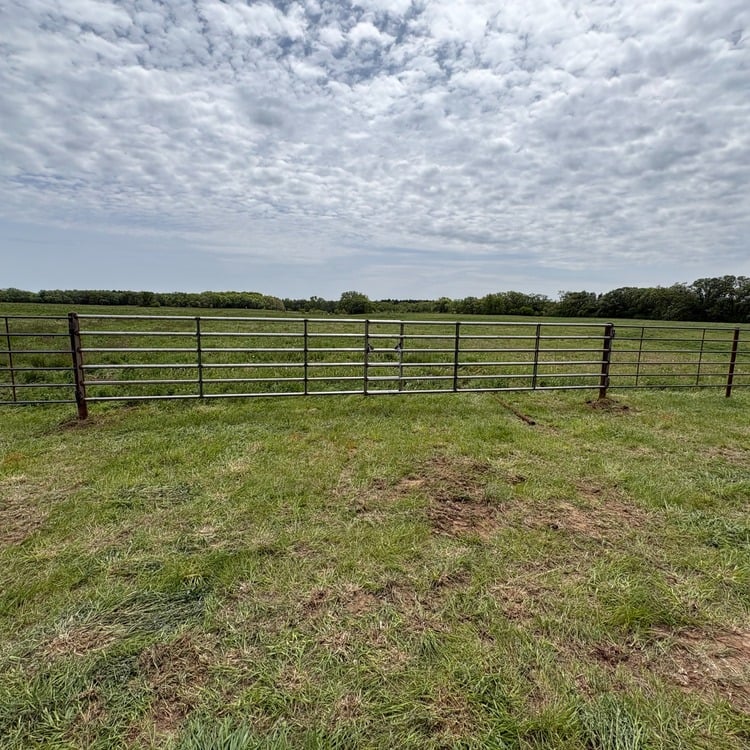
To prevent splinters and rot, focus on three installation basics: correct post placement and secure anchoring, weather-smart board orientation and spacing, and clean, protected attachment points. A quality installer will also plan for drainage so water does not collect at the post line or under horizontal rails. If you are planning a new fence in Highland, WI, choose an installation approach that prioritizes water management and consistent fastening, then ask what steps are used to reduce rough edges at every cut and connection.
What to Check First
Before installation begins, you want clarity on the fence’s “wet zone,” meaning where water will gather most often: around posts, along the bottoms of boards, and at any horizontal rails. Walk the property line and look for low spots, downspouts that discharge near the fence, and areas where grass stays damp longer after rain. Those locations usually predict where rot starts if the fence is built without a water plan.
Board feel: splinters come from rough edges
Ask how cut ends and drilled holes are finished so you do not inherit sharp points at the pickets and rails.
Post system: rot starts at the base
Confirm the post layout and how posts are set so the fence does not tip, sag, or trap moisture.
Water path: give moisture a way out
Good installation includes spacing and alignment that limit standing water and reduce repeated wetting.
Main Things Customers Should Understand
Even when the wood looks solid at first, installation choices determine how the fence behaves through Wisconsin weather. When boards are installed too tightly, or when attachment points create little “water cups,” splinters can appear where edges swell and dry repeatedly. When posts are set without a stable plan, movement can loosen boards and open gaps that let moisture work into the structure.
Professional observation: Rough edges and rot typically show up after the fence goes through wetting and drying cycles. The fastest way to prevent that pattern is to get the post line and board attachment details right the first time, not after the fence starts to degrade.
What “proper installation” usually includes: consistent spacing between boards, secure fastening that does not distort the wood, and a layout that keeps water from lingering along the post area and rail connections.
Wood fence layout decisions that affect splinters
Splinters are not only about the species or age of the lumber. They also relate to how pickets and rails are aligned and fastened. If boards are installed with uneven pressure, edges can stay stressed and rough. If cut ends are not finished cleanly, those ends can raise over time as the wood reacts to moisture.
Why rot often starts near posts
In Highland, WI, the fence line often sees repeated thawing and refreezing. When posts are not set and stabilized correctly, small shifts can create gaps where water collects. Over time, that trapped moisture can lead to softening at the post area and the rail connections.
Choosing the right fence type for your property
Your fence’s purpose can influence the installation details you want. For example, a privacy fence installation may require consistent board alignment for both appearance and moisture management, while farm & animal fencing needs a structure that stays stable under daily use. If you are comparing fence options, review fencing services to match your goals to the right setup.
Why This Matters in Highland, WI
In Highland, WI, fence wood experiences changing moisture conditions across seasons. Rain, melting snow, and freeze-thaw can stress any installation that lets water sit at the base of posts or along horizontal connections. That is why a wood fence built for Wisconsin needs to manage water paths, maintain consistent alignment, and avoid creating “traps” where moisture can linger.
H&S Fencing & Supply helps homeowners and property managers plan wood fence installation details for local conditions, including properties near Highland. We also support nearby areas such as Dubuque, Madison, La Crosse, Milwaukee, Tomah, Beloit, Cedar Rapids, Galena, Baraboo, and Portage when fence projects call for it.
| Decision point | Why it affects splinters | Why it affects rot | What to ask your installer |
|---|---|---|---|
| Post placement and stability | Movement can stress board edges and create rough contact points | Unstable bases can trap moisture and open gaps | How are posts laid out and stabilized for long-term alignment? |
| Board spacing and orientation | Tight spacing can increase swelling at edges | Standing moisture increases wetting cycles around connections | How is spacing handled to limit standing water along the fence line? |
| Fastening and connection details | Fasteners that distort wood can raise edges | Attachment points can become moisture “pockets” if not aligned well | What fastening approach helps reduce edge stress and moisture buildup? |
| Cut ends and drilled points | Unfinished cut edges are more likely to feel splintery | Rough ends can hold moisture and accelerate softening | How are cut ends finished so the fence feels smooth and resists moisture? |
Plan a smoother, longer-lasting wood fence
If you are concerned about splinters or early rot, start with an installation conversation. H&S Fencing & Supply can help you think through fence type and installation details before work begins in Highland and the surrounding area.
Explore H&S Fencing & Supply servicesCommon Mistakes to Avoid
Most fence failures are not caused by one dramatic error. They usually come from a few small shortcuts that create repeated problems: rough edges you feel every time you pass by, and moisture that finds its way into the structure. If you want to prevent splinters and rot, pay attention to these common installation mistakes.
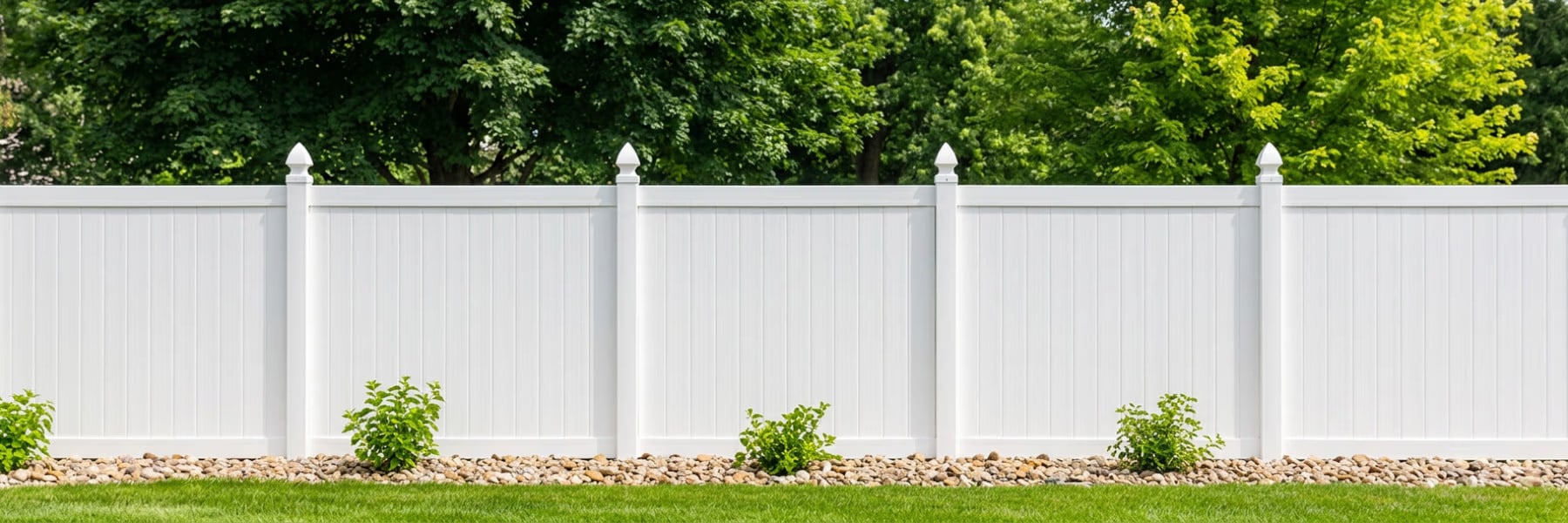
- Choosing an installation plan without considering where water collects along the post line
- Installing boards with inconsistent spacing so some areas stay wetter than others
- Allowing rough cut ends and drilled edges to remain sharp or uneven
- Rushing alignment, which can lead to sagging and loosened connections over time
- Ignoring how rails and joints create small “traps” where moisture can sit
Customer Checklist
Use this quick checklist when you are planning your wood fence installation. It is designed to help you ask the right questions and confirm details that reduce splinters and slow down rot.
- Walk the fence line and point out low spots, downspout discharge areas, and damp zones after rain
- Confirm the post layout plan and how posts are stabilized to keep the fence aligned
- Ask how cut ends and drilled points are handled so edges feel smooth
- Discuss board spacing and orientation for water shedding and drying
- Review fastening and connection details that reduce moisture buildup at joints
- Decide on the fence style that matches your property needs, such as residential fencing or other applications
A Representative Scenario (What It Looks Like)
Imagine a Highland, WI homeowner who installed a wood privacy fence and noticed splinters along a section of pickets near a low spot in the yard. After a few wet weeks, the fence felt rougher, and a couple boards looked slightly darker where moisture lingered. In the conversation that follows, the installer identifies two contributing issues: water had a clear path to the post line and a few connection points created small areas that stayed wet longer than the rest of the fence. The fix centers on improving water management, alignment, and edge finishing during rework, so the fence dries more evenly and feels smoother again.
Frequently asked questions
How does proper wood fence installation reduce splinters?
What causes rot to show up early on wood fences?
Does privacy fence installation require different installation details than other wood fences?
Should I consider chain link fence installation instead of wood for durability?
What should I ask before the first board is installed?
Ready to build a fence that feels better and lasts longer?
For wood fence installation in Highland, WI, and the surrounding region, H&S Fencing & Supply can help you focus on the details that reduce splinters and slow rot. Start with a service conversation and we will help you match the right approach to your property.
Contact H&S Fencing & Supply for wood fencing
About H&S Fencing & Supply
H&S Fencing & Supply is a fence contractor serving Highland, WI and nearby communities. The team provides fencing services including wood fencing and other fencing solutions, along with fencing supplies and materials to help property owners plan durable, well-built installations.