
Wood and Vinyl Farm Fencing Options: Which Lasts Longer
If you are putting up a farm fence in and around Highland, WI, the real question is not just “which looks better.” It is which material holds up through freeze-thaw cycles, wind-driven weather, and day-to-day wear from animals and equipment.
Last spring, you finally get the fence back in shape, and by late fall you are noticing sagging panels, loose rails, or boards that look tired. If you are planning a new farm & animal fencing project near Highland, WI, it is normal to wonder whether you should stick with wood or spend a little more for vinyl.
This guide will help you compare wood fence installation and vinyl fence installation in a practical way, so you can pick a material that matches your property, your animals, and the weather patterns you see each year. You will also get a quick decision checklist you can use before you commit.
- Quick answer
- What to check first
- Main considerations
- Local factors
- Common mistakes
- Customer checklist
- Frequently asked questions
Quick Answer
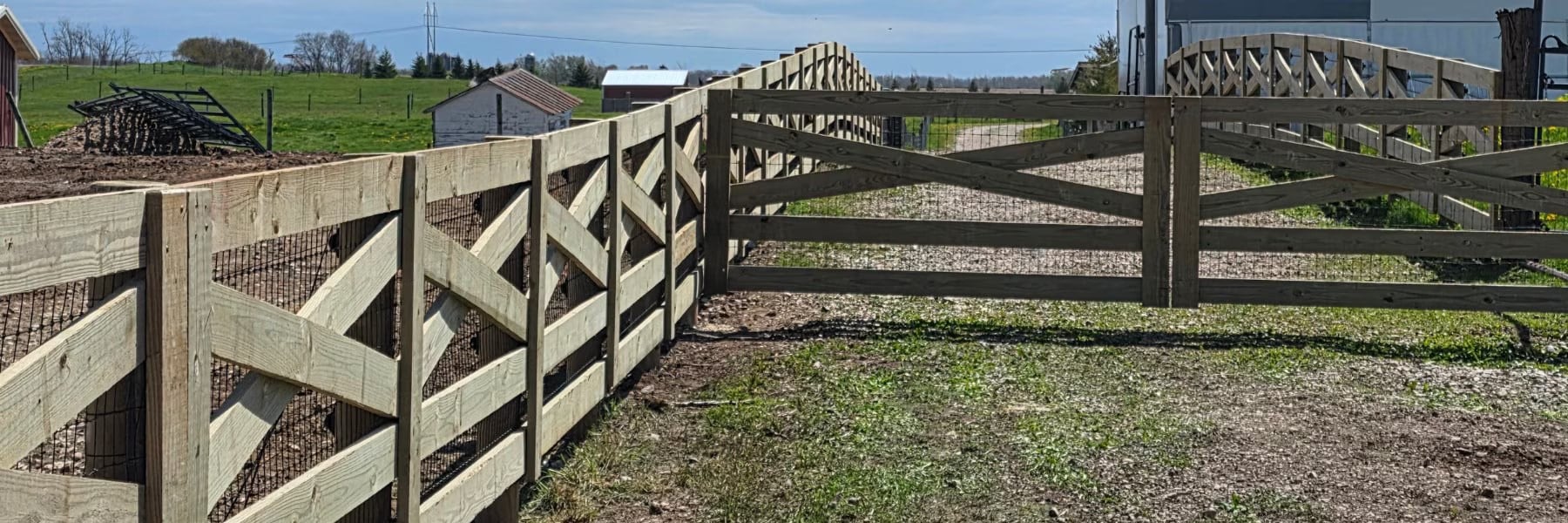
Vinyl often lasts longer with less routine upkeep than wood, especially in climates where moisture and freeze-thaw cycles are hard on fasteners and boards. Wood can still be a great choice, but it usually requires more attention over time, like repair planning and periodic maintenance. The “longer-lasting” pick depends on how your fence will be used, how animals interact with it, and how well posts and rails are installed for Highland, WI conditions. If you want the most hands-off material, vinyl is typically the safer bet.
What to Check First
Before you compare wood and vinyl side-by-side, look at the parts of your fence that experience the most stress. Posts take the abuse from shifting ground and impact. Rails and pickets take the repeated contact from animals, feed, and equipment. If your biggest concern is longevity, you will get more results by focusing on installation details and fence layout than by material alone.
Start with the fence “load”
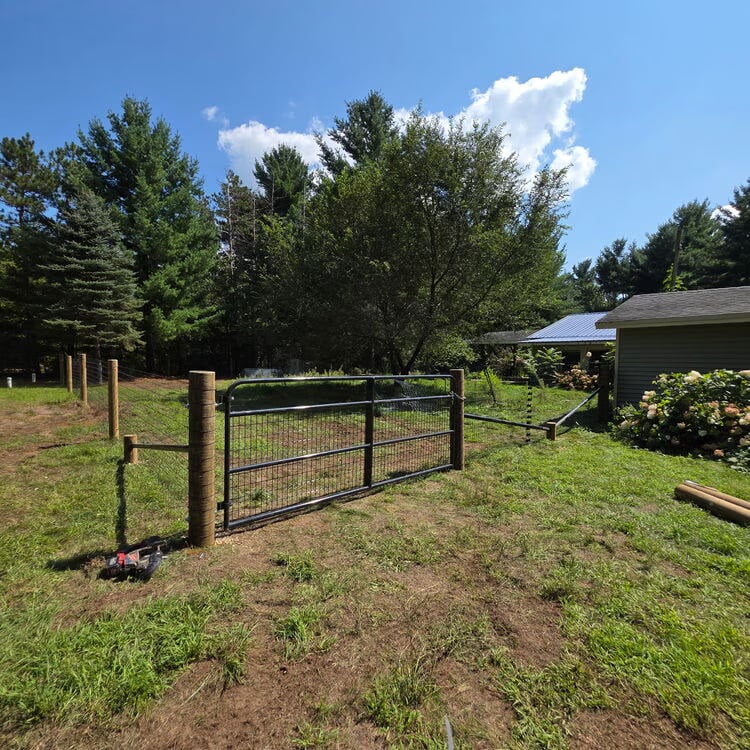
How often do animals press, climb, or lean? Are you running gates across the same area every day? High-contact sections need a design that tolerates motion.
Inspect the ground line
Fence longevity is heavily influenced by how the bottom of posts are set and how the fence handles seasonal soil movement.
Think about maintenance time
Wood can last, but it typically means more ongoing attention. Vinyl usually shifts your effort toward cleaning and occasional inspections.
Main Things Customers Should Understand
When people ask whether wood fence installation or vinyl fence installation lasts longer, they are usually thinking about the material itself. In real life, the difference shows up in how each option responds to moisture, impact, and the way it expands and contracts through changing seasons. Here is a clear way to evaluate farm fencing choices.
Professional observation: Material matters, but the post and rail system is what determines whether a fence stays straight and functional after the first big season.
| Factor | Wood farm fencing | Vinyl farm fencing |
|---|---|---|
| Typical wear pattern | More sensitive to repeated impacts and moisture exposure at joints and boards. | Generally resists everyday moisture effects, but can still be stressed by heavy impacts. |
| Maintenance feel | Often requires more frequent inspection and repair planning as boards and fasteners age. | Usually involves less hands-on upkeep, with periodic checks for alignment and gate operation. |
| Seasonal movement | Can shift with temperature and moisture, which may affect how rails stay aligned. | Typically handles weather swings differently, with less “weathering” visible over time. |
| Best fit for | Properties where you want a classic look and you are comfortable planning maintenance. | Properties where you want a low-maintenance fence that still looks consistent. |
| Material + layout together | Lasting results depend on properly planned sections, reliable rails, and correct post placement. | Longevity depends on choosing compatible components and ensuring posts and gates are installed for movement. |
When homeowners compare materials, they sometimes forget that farm fencing is not just a boundary. It is part of your daily workflow: gates open and close, animals lean, and equipment bumps happen. That is why a fence can “look fine” while still needing structural attention, like tightening, rail support, or replacing a worn section before it spreads.
Why This Matters in Highland, WI
In Highland, WI, winter conditions and temperature swings can be tough on outdoor materials, especially at the post lines and near gate openings. Whether you choose wood or vinyl, the long-term performance you care about depends on how the fence is built to handle movement and moisture around the base. If you maintain the fence with the seasons in mind, you reduce the chance of minor issues turning into larger repairs later.
Local planning tip: If your fence runs near driveways, gates, or areas where snow gets pushed, decide early how you will protect the bottom rails and gate hardware. That one detail can change how long any fence option feels “new.”
Common Mistakes to Avoid
Most fence problems are preventable. The mistake is usually not the material choice. It is skipping key steps in planning, sizing, or installation details that affect how long the fence stays straight and functional.
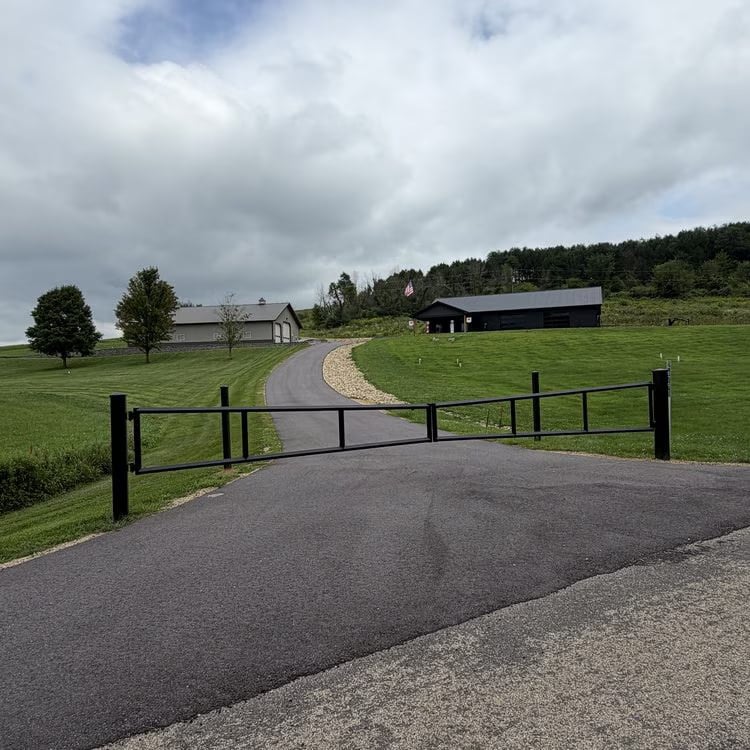
- Choosing based on appearance only. A fence can look right at installation and still fail early if the layout is mismatched to animal contact or ground movement.
- Underestimating gate stress. Gates experience repeated opening loads. If a gate area is not built for it, the rest of the fence often pays the price.
- Ignoring bottom-of-post vulnerability. The fence line at ground level is where seasonal moisture and movement show up first.
- Delaying repairs on small sections. A loose rail or worn board can create leverage that spreads damage across adjacent panels.
Customer Checklist
Use this checklist when you are deciding between wood and vinyl for farm & animal fencing. It is designed to help you ask better questions and spot issues before they become expensive.
- Where will animals contact the fence most? Identify leaning, climbing, and feeding areas.
- Which sections are near gates or drive lanes? Plan for repeated opening and impact from equipment.
- How does your ground behave seasonally? Note areas that feel softer or shift more after thaw.
- What maintenance time can you realistically handle? Choose the option that fits your schedule.
- Do you want a consistent look year after year? Vinyl often supports a more uniform appearance over time.
- Have you reviewed fencing supplies and materials needed for your layout? Make sure components match the fence type and usage.
Representative Scenario
A property owner near Highland, WI had a wood perimeter fence that kept needing board replacements in the same stretch. The worn area was also where snow plows and feed carts repeatedly came close to the fence line. After reviewing the problem, the homeowner decided to switch to a vinyl farm fencing layout for the high-contact sections, while still planning inspections and prompt attention at the base and gate hardware. The result was a fence that felt steadier and required less frequent board-level repairs.
Frequently asked questions
Here are common questions homeowners ask when comparing wood and vinyl farm fencing for longevity.
Does vinyl always last longer than wood?
In many real-world situations, vinyl tends to require less upkeep and can hold its appearance better with moisture exposure. However, “longer lasting” depends on how the fence is used and installed. If the posts, rails, and gate hardware are not set and built for movement and impact, any material can fail early. The best approach is to match the fence design to animal contact, ground conditions, and your maintenance preferences.
What should I focus on if my fence seems to sag or pull out?
Sagging often points to post support, rail alignment, or stress concentrated at gate openings. Start by checking the bottom of posts and the areas where sections connect. Also look for repeated impact zones near drive lanes or where equipment frequently bumps the fence line. If you catch these issues early, you can prevent minor movement from turning into a larger repair.
Is wood still a good choice for farm & animal fencing?
Wood can be a strong option when you want the classic look and you are comfortable planning maintenance over time. The key is to treat longevity as a system. That means correct installation, reliable rails, and prompt attention to loose or worn sections. If you prefer a more hands-off approach, vinyl fence installation is often the easier fit.
How do I choose between privacy fence installation and animal fencing needs?
Privacy fence installation is about screening and boundary clarity, while farm & animal fencing is about controlling access and withstanding contact. If your goal includes keeping animals contained, focus on the fence layout, gate function, and how the material handles pressure and impact. You can still achieve privacy in many setups, but the priority should be containment and durability where animals interact with the fence.
Can fencing supplies and materials affect how long a fence lasts?
Yes. Even when the fence style looks the same, component quality and compatibility can influence performance. The rails, posts, fasteners, and gates all work together. When supplies and materials are selected to match the fence design and intended use, the fence is more likely to stay aligned and functional through seasonal changes.
Need help choosing the right fence material for your farm?
If you are comparing wood and vinyl farm fencing options near Highland, WI, H&S Fencing & Supply can help you think through the layout, usage, and durability factors that matter most.
Contact H&S Fencing & SupplyReady to move forward with a durable fence?
If you want a fence that stays functional and looks consistent through the seasons, start by defining your high-contact areas and gate usage. Then choose the material that best matches your maintenance expectations. If you would like to explore related fencing options, you can also review service pages for wood fencing, fencing services, or residential fencing for general layout ideas. For properties that need additional perimeter protection, you can consider chain link fence installation as part of a broader fencing plan.
Talk with H&S Fencing & Supply
Call for guidance on wood fence installation, vinyl fence installation, and fencing supplies and materials for farm projects across Highland, WI and nearby areas like Dubuque, Madison, La Crosse, Milwaukee, Tomah, Beloit, Cedar Rapids, Galena, Baraboo, and Portage.
(608) 732-4260
About H&S Fencing & Supply
H&S Fencing & Supply is a fence contractor serving Highland, WI and surrounding communities. The team provides fencing services and helps customers choose practical fencing solutions for residential and farm needs, including options that fit different durability goals and maintenance preferences.