
Chain Link Farm Fencing Installation for Safe Livestock Containment
If you are noticing gaps near gates, sagging fence lines, or animals testing weak spots, it is usually not “just a fence problem.” It is a containment and build-quality issue that starts at the posts, the bottom line, and the way the fencing is tensioned.
Last fall, a farm property in and around Highland, WI had a chain link run that looked “fine” from the road, but livestock were still finding a way through at the gate approach. The owner was not sure whether the issue was the material, the layout, or the installation details that are hard to see until something gets tested.
This guide helps you understand what matters most for chain link fence installation when your goal is safe, reliable containment. You will learn the build factors that affect day-to-day performance, the common mistakes that lead to repeat repairs, and the questions to ask before the first post is set.
- Quick answer
- What to check first
- Main things customers should understand
- Why this matters in Highland, WI
- Common mistakes to avoid
- Customer checklist
- Frequently asked questions
Quick Answer
For dependable farm containment, chain link fencing success depends less on the “look” and more on installation details: properly set and braced line posts, correct tensioning, secure gate hardware, and bottom containment that matches the animal you are fencing in. Start by mapping where animals are likely to pressure the fence, especially near gates, corners, and uneven ground. If you want a long-lasting result, choose a contractor that builds the system as a whole, not just the fence panels. For help planning your setup, contact H&S Fencing & Supply for chain link fencing.
What to Check First
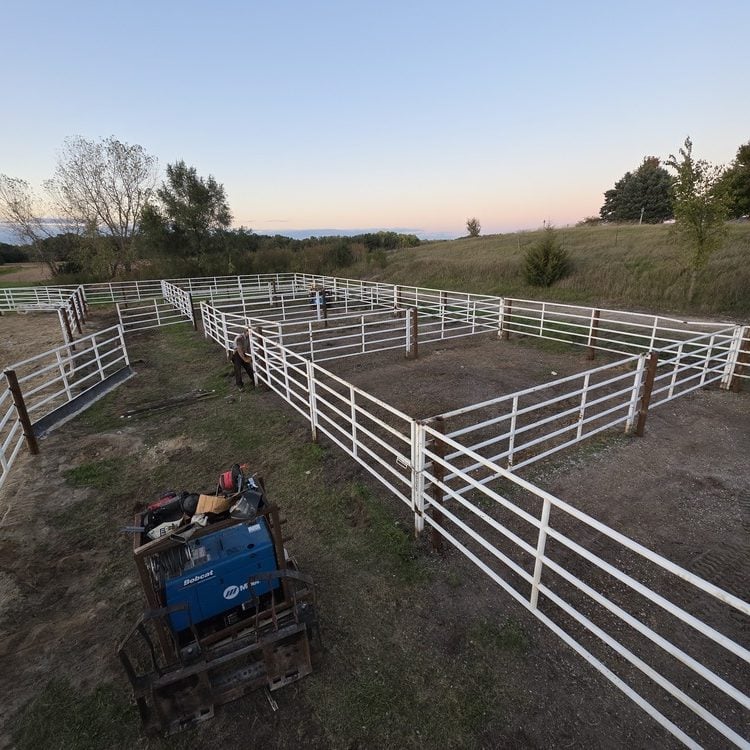
Before you call for farm & animal fencing, walk the fence line like an animal would. Focus on the “pressure points” where livestock can push, rub, or test the boundary. Gates and transitions deserve extra attention because they combine moving parts, alignment, and often a different ground condition than the fence line.
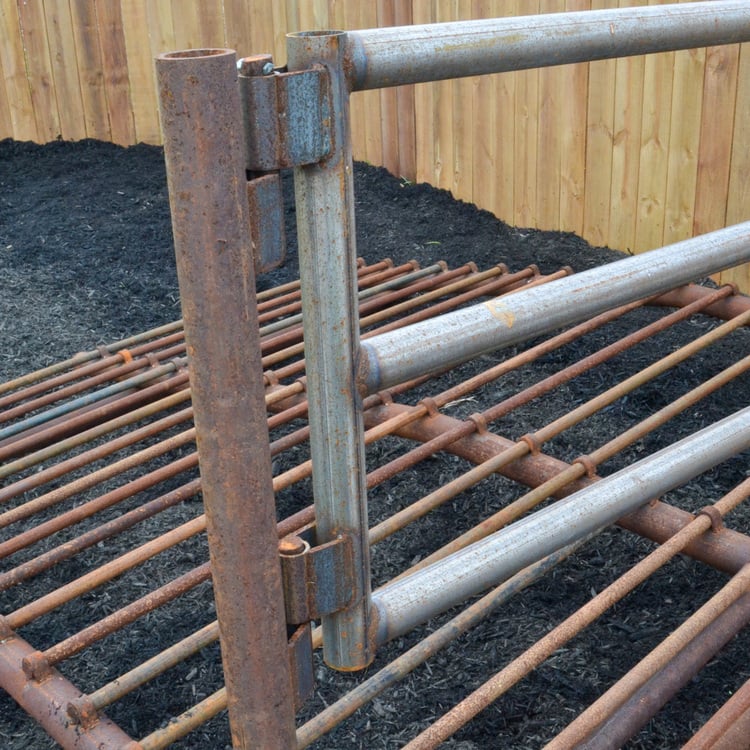
Professional observation: The most common containment failures show up at the bottom edge and around gate areas, not in the middle of the fence run.
As you inspect, look for signs of looseness: fence sections that look wavy, posts that seem less rigid than the rest, and areas where the ground dips or mounds against the bottom line. If you already have fencing, note where repairs have been attempted before. That information helps prevent repeating the same weakness with a “like-for-like” replacement.
Gate alignment
Check whether the gate closes square, latches consistently, and sits at the same height across its full swing.
Bottom containment
Look for clearance under fencing, especially where soil is uneven or where snow and freeze-thaw may shift ground level.
Corner and end posts
Endpoints carry the load. If corners are under-braced, the fence line can gradually lose tension over time.
Main Things Customers Should Understand
Chain link can be a strong, practical choice for farms because it is flexible, visible for monitoring, and often works well across larger runs. Still, the difference between “installed” and “performing” is the engineering of the layout and the quality of the tensioning and fastening.
1) Build the fence as a system, not panels
In a farm setting, the fence line has to stay stable under real-world forces: livestock contact, wind loading, and seasonal ground changes. That means line posts, terminal posts, tensioning methods, and gate hardware need to work together as one system. When one part is underbuilt, the rest will often compensate until it fails where you least want it.
2) Choose materials and spacing based on the animals
Different animals apply pressure in different ways. Some push and lean, some climb, and some test gaps at the bottom or along edges. The fencing setup should match the behavior you are trying to control. This is where a good installer will talk through your livestock type and layout so your chain link fence installation supports safe containment from day one.
3) Plan for gates and access points
Farm access is not optional. Gates are where alignment matters most, and they are also where you may open and close repeatedly. If the gate frame is not installed to stay square over time, the latch may not engage consistently, creating an easy escape route.
4) Consider how your property changes with seasons
In Highland, WI, winter conditions can shift soil and affect how fences sit relative to the ground. Even if a fence looks straight during install, ground movement later can change clearance. A properly planned bottom containment approach helps reduce the chance that livestock will find a new opening after the weather cycles.
Professional observation: If you want chain link that stays tight and consistent, the installer’s focus should start at the posts and tensioning, then move to gate fit and final alignment.
Why This Matters in Highland, WI
Highland, WI is close enough to major communities that many farm setups serve multiple needs at once, including keeping livestock contained while maintaining access for equipment and daily routines. That means your fence line has to be practical, not just “finished.” In this area, uneven ground and seasonal movement can expose weak bottom clearances, especially near gates and corners. A well-built chain link system helps you reduce repeated adjustments and keeps containment dependable through the year.
If you are comparing fence types for different parts of your property, it can help to think in zones: chain link for perimeter and monitoring where appropriate, and other materials where privacy, wind reduction, or specific access needs matter. You can browse fencing options from H&S Fencing & Supply to map out what makes sense for each area.
| Fence setup focus | What to prioritize | Why it matters for livestock containment |
|---|---|---|
| Posts and tensioning | Rigid terminal posts, correctly braced endpoints, consistent tensioning along the run | Helps the fence stay tight so livestock cannot work through looseness over time |
| Gate fit and hardware | Square alignment, reliable latching, and smooth operation that stays consistent | Gate failures are often the first “escape point” during daily routines |
| Bottom containment | Ground-clearance planning and details to limit under-access | Livestock often test the lowest edge where the ground may shift seasonally |
| Layout for access | Plan for equipment routes and where you will open fences most often | Reduces pressure on the same sections and supports safer day-to-day handling |
Need help planning a farm containment layout?
Share your property layout and livestock goals, and we will help you think through the key chain link details that affect day-to-day containment.
Call H&S Fencing & SupplyCommon Mistakes to Avoid
When livestock containment problems repeat, it is usually because the initial install did not address the underlying causes. Here are the most common issues we see that lead to the same failure points showing up again and again.
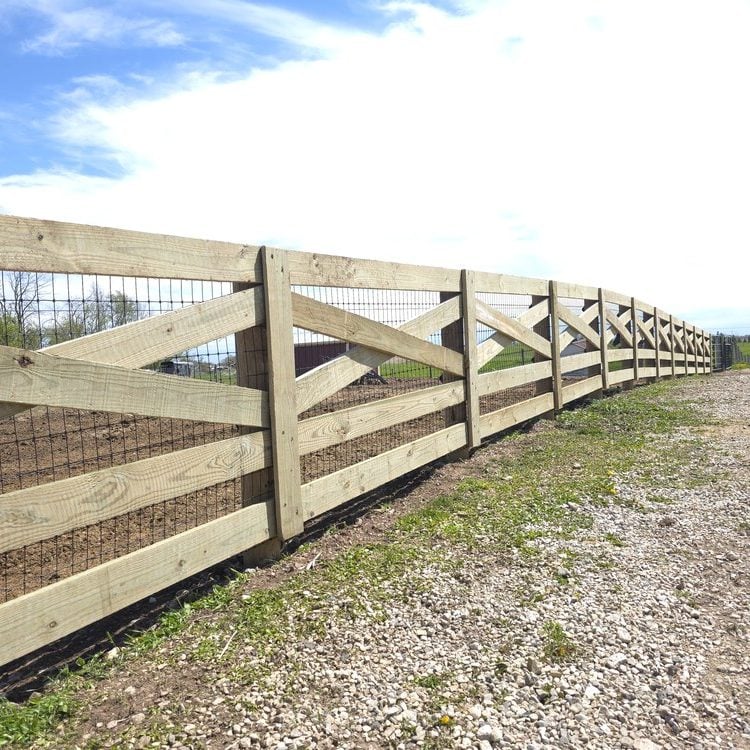
- Assuming fence “material” alone will solve containment, without planning for gates and bottom clearance.
- Skipping attention to corner and end posts, which are critical for maintaining tension across the run.
- Underestimating how uneven ground and seasonal movement can change clearance under the fence line.
- Choosing a layout that creates repeated pressure at the same opening or transition points.
- Replacing only a section without addressing the tensioning or alignment that caused the weakness in the first place.
Customer Checklist
Use this checklist before you schedule chain link fence installation in Highland, WI. It is designed to help you communicate clearly so the final layout matches your containment goals.
- Identify where animals pressure the fence most: gates, corners, and low spots.
- Confirm what animals you are containing and how they behave (climb, push, rub, or test gaps).
- Measure and describe any existing clearance issues, especially under gates and along the bottom edge.
- List the access points you open most frequently for feeding, cleaning, or equipment movement.
- Note whether ground is uneven or changes across seasons where the fence will sit.
- Decide what “success” looks like: fewer adjustments, reliable gate closure, and consistent containment.
Representative Scenario
A property manager near Highland, WI had a chain link run that was installed with good-looking panels, but the gate area stayed problematic. Livestock were able to test the boundary at the latch side, and after a couple of weather cycles, the bottom clearance near the approach became noticeable. Instead of replacing the fence panels again, the solution focused on the gate frame alignment, the terminal post stability at the transition, and the bottom containment details for that specific access point.
This is the kind of issue that is easy to miss when you only evaluate the fence from a distance. A full containment-focused install treats the gate and bottom line as primary components, not afterthoughts.
Frequently asked questions
Is chain link a good choice for farm & animal fencing?
Chain link can work well for farm containment because it supports visibility and can be designed for dependable boundaries when the installation focuses on posts, tensioning, gates, and bottom clearance. The best results come from matching the fencing setup to the animals you are containing and the pressure points on your property, especially near openings.
What should I prioritize for chain link fence installation?
Start with the structure that holds everything in place: properly set and braced terminal posts, consistent tension along the run, and gate hardware that stays aligned. Then address the bottom edge and transitions where livestock are most likely to test. This approach reduces the chance you will need frequent adjustments after seasonal changes.
Can I combine fencing types on the same property?
Yes. Many farms use different materials in different zones depending on the goal. Chain link can be practical where monitoring and containment are key, while other options may be useful for privacy fence installation or specific access and wind-control needs. If you want ideas for planning by area, you can review residential fencing options to see how designs vary by purpose.
How do I prevent gate problems from coming back?
Gate issues usually come from alignment and hardware fit. The gate frame should be installed to stay square and latch reliably, and the surrounding transition should be stable enough to avoid shifting over time. When a gate is treated as part of the containment system, you typically reduce the chance of repeat failures at the same spot.
Do you also help with fencing supplies and materials?
Yes. If you need fencing supplies and materials for projects, H&S Fencing & Supply can help you plan your chain link needs and related fencing components. You can also explore access control services if your containment plan includes controlled entry points.
Ready to tighten up your containment plan?
Get guidance on chain link farm fencing details that affect how reliably your fence performs, especially at gates, corners, and the bottom edge.
Explore chain link fencing services
About H&S Fencing & Supply
H&S Fencing & Supply is a fence contractor based in Highland, WI, serving surrounding communities including Dubuque, Madison, La Crosse, Milwaukee, Tomah, Beloit, Cedar Rapids, Galena, Baraboo, and Portage. The team focuses on practical fence installation and related service planning for farm and property containment needs, including chain link fencing and other fencing solutions.