
Signs You Need New Fencing Supplies and Materials
If your fence is starting to sag, loosen, or look uneven, you might not need a full replacement right away. In Highland, WI and the surrounding communities, weather swings and freeze-thaw cycles can wear down posts, gates, and fasteners faster than homeowners expect. This guide helps you spot what’s failing and what kind of fencing supplies and materials are worth upgrading first.
- Quick answer
- What to check first
- Main things customers should understand
- Why this matters in Highland, WI
- Common mistakes
- Customer checklist
- Frequently asked questions
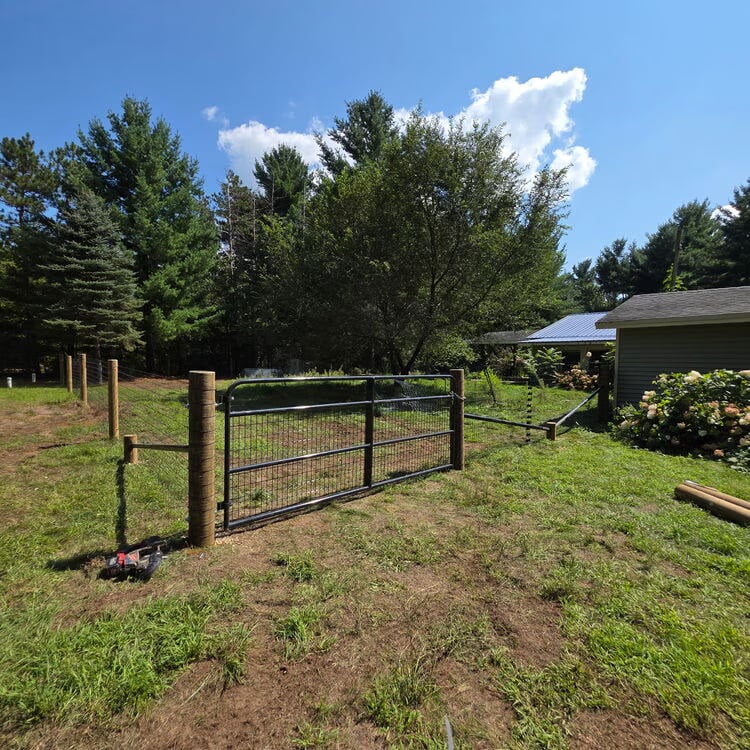
One morning you notice it: a gate that doesn’t close the way it used to, a section of fence that looks slightly bowed, or a post that seems to lean after a heavy rain. By the time you’re shopping, you’ve probably already replaced a few boards or tightened a latch, only to find the same problem returning.
This guide will help you sort out whether you need new fencing supplies and materials, which parts to prioritize, and what decisions matter most for chain link fence installation, wood fence installation, and other fence types in Highland, WI.
Quick Answer
If your fence is showing movement (loose posts, sagging sections, or a gate that drags), the right approach is to identify the failing components and upgrade those first. Start with posts and hardware because they carry the load. Then address the sections that are separating, rotting, or overstretched. For most homeowners, a practical next step is to visually inspect the fence line after recent wind or rain and make a short list of what’s loose, broken, or missing fasteners. If you’re unsure, contact a fence contractor to match materials to your fence type and condition.
What to Check First
Before buying materials, walk the fence line slowly and look for “cause” issues that lead to “symptom” problems. In Highland, WI, small looseness can snowball quickly because winter weather pushes and pulls on everything, especially at corners, gate openings, and along longer runs.
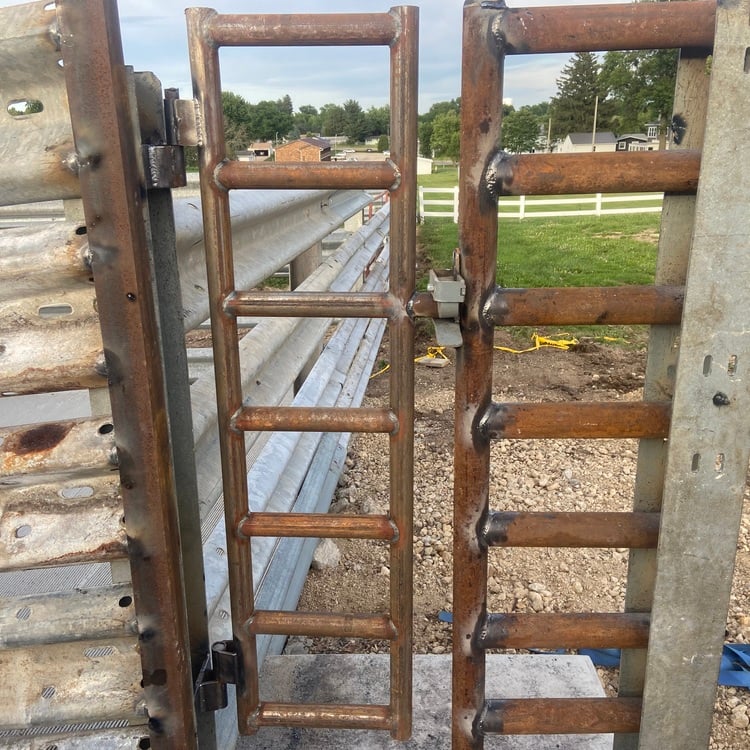
Posts and corners
Check for leaning, wobbling, or gaps where the post meets the ground. Corner posts and gate posts take extra stress and often fail first.
Hardware and fasteners
Look for missing screws, bent brackets, rusted hinges, and loose tension points. Hardware upgrades can be the difference between a fence that holds and one that keeps shifting.
Fence sections and panels
Inspect boards, rails, and fabric for warping, rot, broken sections, or stretched areas that no longer line up.
Professional observation: The fence usually isn’t “failing randomly.” If you see the same problem at repeated points, it’s often tied to how posts are anchored, how tension is set, or how the fence is framed.
Main Things Customers Should Understand
When you’re deciding whether you need new fencing supplies and materials, the key is matching the material to the way your fence is currently built. A fence can look close enough from the street, but the load path matters. Below are common “upgrade triggers” that help you make smarter choices for privacy fence installation, wood fence installation, chain link fence installation, and vinyl fence installation projects.
Before you shop: Take a few notes on what type of fence you have, which sections are affected, and whether the issue starts at posts, hardware, or the fence material itself.
| What you’re seeing | Likely materials to inspect | What “new materials” usually means |
|---|---|---|
| Sagging fence sections or uneven alignment | Rails, tension points, post anchors, gate frame | Upgrading rails/hardware and correcting post anchoring before replacing only the visible panels |
| Rotting wood or soft spots | Fence boards, end grain exposure, fasteners | Replacing damaged boards and using appropriate hardware so the new sections stay attached |
| Loose chain link or sagging fabric | Tension wire, top rail, ties, end/gate hardware | Re-tensioning and replacing worn ties or tension components, not just the fabric |
| Gates that don’t latch or drag | Hinges, latch hardware, posts at the hinge side | Hardware replacement and alignment adjustments once hinge-side support is solid |
| Privacy fence wear from wind exposure | Stiles/rails, fastening pattern, corner posts | Upgrading the framing components that keep sections rigid, then replacing panels if needed |
If you’re not sure what’s failing, focus on the “first movement” you notice. For example, if the gate swings but posts don’t move much, hardware and alignment may be the priority. If the hinge-side post shifts even slightly, materials alone won’t solve it until support is corrected.
Why This Matters in Highland, WI
Highland, WI sits in a climate where freeze-thaw cycles, wind, and heavy precipitation can stress fence lines. Over time, that shows up as loosening fasteners, shifting posts, and fabric or panel sections that no longer sit straight. That’s why many homeowners in the area find they need to address supplies and materials that support the structure, not only the parts that look damaged.
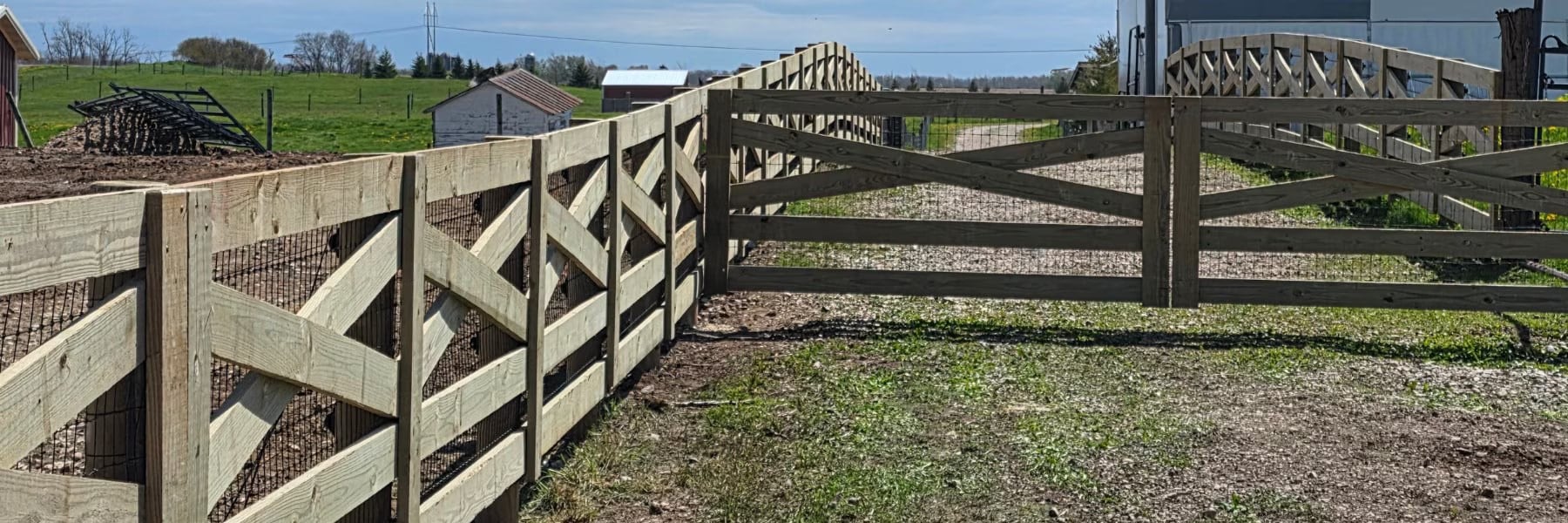
- Start at corners and gate openings, since they take the most force.
- Check fasteners and connectors before replacing fence material.
- Confirm the fence line is sitting square before adding new panels.
- Match materials to your fence type, whether you’re planning wood fence installation, chain link fence installation, or privacy fence installation.
- Plan repairs based on what’s loose today, not what might break next season.
One firsthand-style pattern we see in projects across Highland, WI is this: customers often replace boards or fabric sections after the fence begins to look “messy,” but the real issue is the supporting frame or anchoring hardware that’s already moving. Once that movement continues, new materials get pulled out of alignment quickly. Fixing the support first helps the new supplies last longer.
Common Mistakes to Avoid
It’s easy to treat a fence problem like a single broken part. In reality, fences are systems. Here are the most common mistakes homeowners make when deciding on fencing supplies and materials.
Replacing only what’s visible
If the post or rail is moving, new boards or fabric will follow that movement. Fix the support first.
Ignoring gate-side structure
Gate hardware can look worn when the hinge-side support is shifting. Check the posts and alignment before swapping hinges.
Using mismatched materials
Different fence types require different components. For example, chain link fence installation decisions depend heavily on ties and tension hardware.
Customer Checklist
Use this quick checklist before you buy fencing supplies and materials, so you can describe the issue clearly and avoid multiple trips back to the store.
- Walk the entire fence line and mark the exact sections that are loose, sagging, or broken.
- Check corners and gate openings first, including hinges and latch hardware.
- Look for rust, missing fasteners, and any gaps between posts and fence rails.
- Decide whether you need repairs (components) or replacement (larger sections).
- Write down your fence type: wood, chain link, privacy-style paneling, or another material.
- Take note of how the fence behaves during wind or after rain so you can explain it accurately.
Need help picking the right fencing supplies and materials?
Tell us what you’re seeing at your property in Highland, WI. We can help you narrow down what to repair first and what materials match your fence type.
Explore fencing servicesRepresentative Scenario
A homeowner in Highland, WI noticed their fence looked fine from the road, but one corner section started to bow. They replaced a few boards and reattached loose sections, yet the fence continued to lean after strong winds. When the problem was inspected more closely, the hinge-side support and corner framing were the real issue. After those supporting components were addressed, the new fencing materials stayed aligned and the fence line looked straight again.
If you want to compare options by fence type, you can also review how materials and installation approaches differ for chain link fencing, wood fencing, or residential fencing.
Frequently Asked Questions
If you’re weighing repairs versus new fencing supplies and materials, these questions come up most often for homeowners and property managers.
Do I need to replace an entire fence if one section is failing?
Not always. Many fence issues start at posts, rails, or hardware, so replacing only the affected section can make sense if the support is still solid. The goal is to stop the movement that’s pulling the fence out of alignment. If the underlying framing or anchoring is shifting, larger replacement may be needed. A site inspection helps confirm whether the problem is localized or system-wide.
What’s the first material I should upgrade for a sagging fence?
For sagging sections, start with the components that carry the load: posts (especially near corners and gates), rails, and any tension or connector hardware. Fence boards or panels can look worn, but they often fail because the structure beneath them is moving. Upgrading the supporting materials first helps keep your new sections straight and properly attached.
How do I know if my chain link fence needs new materials?
Look for slack fabric, sagging along the run, or issues around the ends and gate area. Those problems are frequently tied to tension components, ties, and the top rail. Instead of replacing fabric alone, inspect the hardware that holds tension and keeps the fabric aligned.
When is wood fence replacement better than patching?
If you’re seeing rot or repeated failure at multiple boards, patching may only buy time. Wood fences often need attention at the framing and fasteners, too. If the fence is already leaning due to post or rail movement, replacing only damaged boards can be frustrating. A careful check of posts, rails, and attachment points usually determines whether patching or replacement is the better path.
Can upgrading materials improve privacy fence performance?
Yes. Privacy fences rely on sturdiness to resist wind and to keep sections rigid. If your fence is loosening or wobbling, upgrading the framing components and fastening pattern can help. When panels are damaged, they may need replacement as well, but focusing on the support structure first is often the difference between a fence that stays straight and one that keeps loosening.
Get a clear plan for your fence materials
If you’re in Highland, WI and you’re deciding between repairs and new fencing supplies and materials, a quick consult can help you prioritize the right components. Call H&S Fencing & Supply and we’ll help you move forward with confidence.
Call H&S Fencing & Supply
About H&S Fencing & Supply
H&S Fencing & Supply is a fence contractor serving Highland, WI and nearby communities, including Dubuque, Madison, La Crosse, Milwaukee, Tomah, Beloit, Cedar Rapids, Galena, Baraboo, and Portage. Explore our services to learn more about fencing options for residential properties, wood fencing, chain link fencing, and more.