

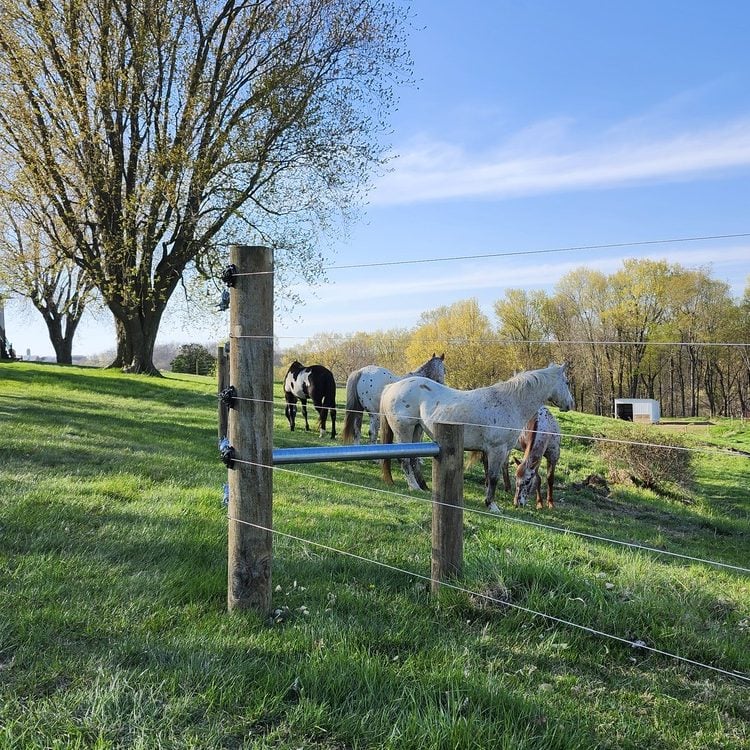
How Often Chain Link Fences Need Maintenance
If you manage a property around Highland, WI, you have probably noticed how quickly fence issues can show up after winter. A few loose tension points, a sagging section, or early corrosion can become bigger problems if you wait too long. This guide walks you through a practical maintenance rhythm for chain link fences, what to inspect seasonally, and when to call a fence contractor.
Maybe you bought a house (or started managing a rental or small business) and the chain link fence is “fine” until the first thaw. Then you see a gate that doesn’t swing smoothly, wire that looks slightly out of line, or posts that lean a bit more than they did last year.
Maintenance frequency is really about early detection. With chain link, most problems start small: tension changes, minor hardware loosening, and surface corrosion. This guide helps you understand how often to inspect and what actions make the biggest difference for longevity and safety in Highland, WI.
- Quick answer
- What to check first
- Main considerations
- Local factors
- Common mistakes
- Customer checklist
- Frequently asked questions
Quick Answer
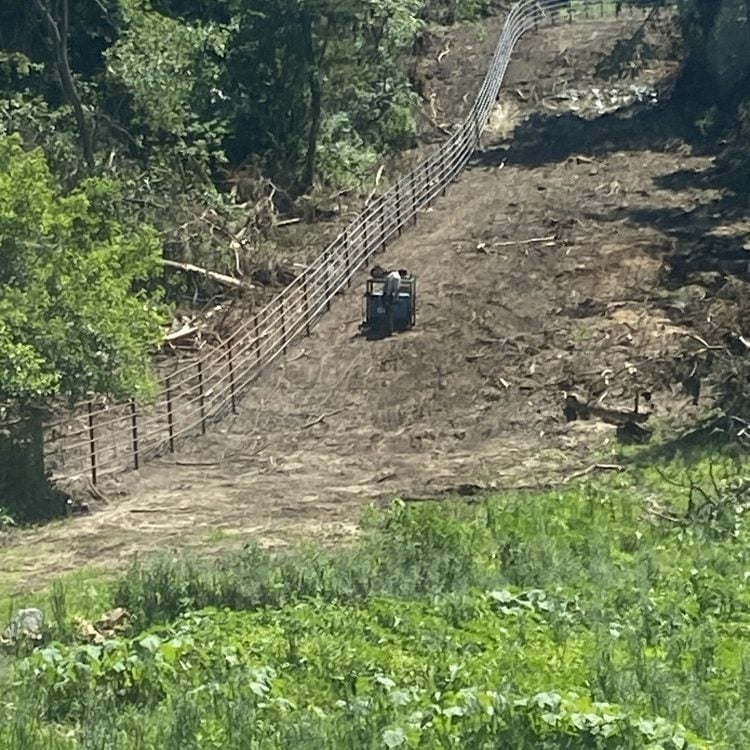
Plan on inspecting your chain link fence about every month during the active season (spring through fall) and at least twice during the year for Highland, WI: once after winter and once before winter. Focus on tension, gate hardware, post stability, and early rust spots. Clean buildup as needed, but avoid aggressive scraping that damages protective coatings. If you catch loose tension or shifting posts early, you can often prevent larger repairs. For chain link fence installation or repairs, working with a local contractor can help you address issues before they spread.
What to Check First
Start with the parts that move or take stress: gates, tension hardware, and corner or end posts. If a fence line sags, it is usually because the tension system is no longer balanced, not because the wire “mysteriously” stretched. Look for wire that looks wavy between posts, gates that drag, and clips or ties that are missing or uneven.
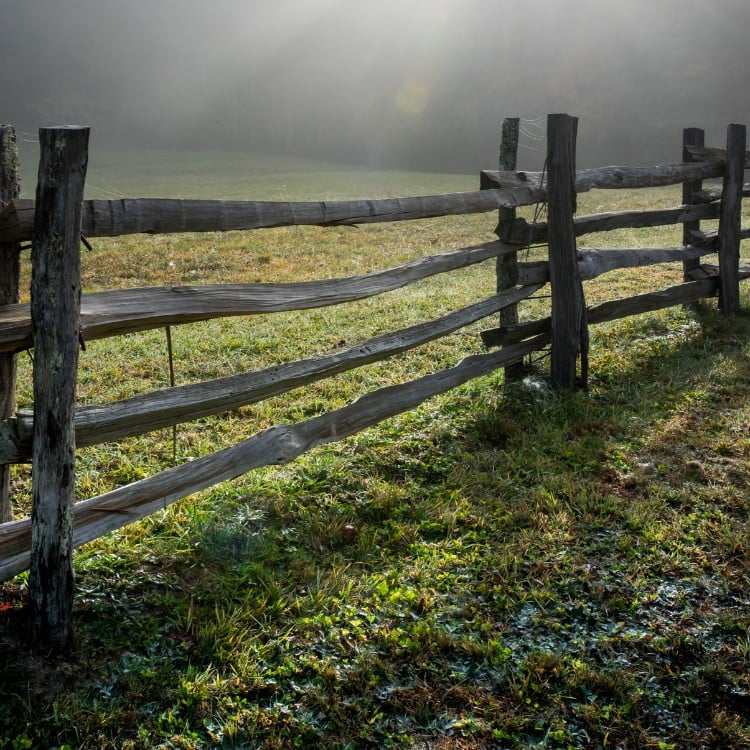
Professional observation: Most chain link maintenance problems show up where the fence changes direction or where access is needed. Corners, ends, and gates tend to loosen first because they absorb more force and movement than straight runs.
Main Things Customers Should Understand
Maintenance frequency changes based on how the fence is used. A residential boundary fence in a quiet neighborhood will often need less hands-on attention than farm & animal fencing, a storage perimeter, or a jobsite barrier. The wire itself may look fine, but hardware and alignment are where you will usually see the earliest warning signs.
1) Tension and alignment
When tension drops, the fence can start to look “loose” or bowed. That can also make gates feel off-balance. Catching tension changes early often reduces the repair scope.
2) Hardware and fasteners
Clips, ties, and gate components loosen over time, especially after freeze-thaw cycles. A few loose points can lead to more noticeable gaps and strain on other sections.
3) Corrosion and surface wear
Chain link can develop rust at contact points, cut ends, or areas where coatings are compromised. Cleaning and monitoring early rust spots can help you decide whether repair is enough or replacement is the better path.
Representative scenario (what this looks like in Highland)
A homeowner checks the fence after spring thaw and notices one gate corner has shifted slightly. The wire line still “works,” but it now drags when opening, and the fence fabric looks a little looser between two posts. Instead of tightening everything at random, the best next step is to inspect the gate frame and the tension hardware at the affected section, then correct alignment so the rest of the fence line is not forced to carry extra stress.
Why This Matters in Highland, WI
In Highland, WI, freeze-thaw and seasonal temperature swings can put movement into posts, gates, and fence hardware. Salt or wet conditions can also accelerate early corrosion where metal components meet. That is why a twice-per-year baseline inspection is a good minimum, with monthly spot checks when weather is milder. If you are also planning updates, it may help to compare fencing options based on how the fence will be used and maintained over time.
| Fence situation | What typically needs attention | Recommended inspection frequency | Repair focus |
|---|---|---|---|
| Residential boundary (lower foot traffic) | Occasional wire loosening and gate hardware | Monthly during spring-fall, plus post-winter and pre-winter checks | Keep gates aligned, tighten or re-secure hardware, watch for early rust at contact points |
| Perimeter for a small business or storage area | Alignment drift and faster hardware wear | Monthly during active season, with extra checks after storms | Correct sag or bow early so tension stays balanced |
| Farm & animal fencing | Impact damage and tension changes | Monthly plus quick after-event checks (weather, animal activity, equipment contact) | Address bent wire sections and ensure the fence line stays properly tensioned |
Need help maintaining or upgrading your fence line?
If you are seeing sagging sections, gate issues, or early corrosion in Highland, WI, H&S Fencing & Supply can help you assess what needs repair and what is worth addressing now.
Explore chain link fencing servicesCommon Mistakes to Avoid
Several maintenance habits can make chain link problems worse. The goal is to keep alignment and tension stable, not to “patch” the visible wire while ignoring the underlying hardware or post movement.
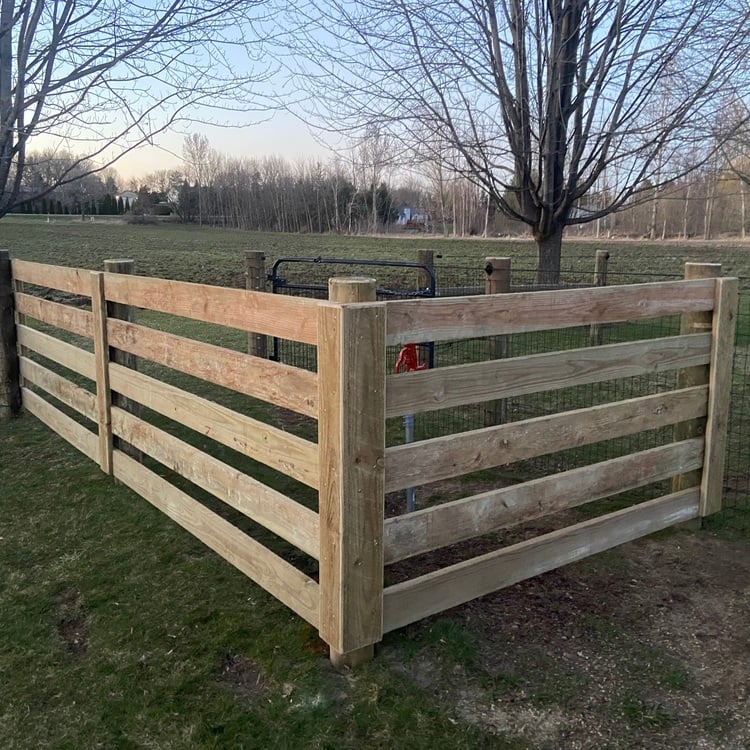
- Waiting for major sagging: If the fence line looks bowed, tension has already changed. Early inspection is the difference between a small fix and a larger repair.
- Over-tightening without checking the gate and posts: Tension changes can shift stress to other sections if posts or frames are already moving.
- Scraping aggressively at rust spots: Heavy abrasion can damage protective layers and create more surface area for corrosion.
- Ignoring gate hardware: Gates usually reveal issues first. If the gate drags, it is not just a convenience problem, it is a sign of alignment or hardware wear.
- Skipping corner and end post checks: Corners and ends take more load. If you do not inspect them, a “straight run” can still fail from the ends.
Customer Checklist
Use this simple routine to stay ahead of small issues. You do not need special tools for the first pass. The idea is to spot movement early, then decide whether a repair is DIY-level or contractor-level for your property in Highland, WI.
- Walk the fence line and look for changes in straightness (bowing, sagging, or uneven gaps).
- Check gate swing and latch alignment. If it drags or requires extra force, inspect hinges and the gate frame.
- Inspect tension points and any visible clips or ties. Replace missing or damaged hardware.
- Look for early rust at wire ends, cut points, and contact areas. Monitor any spot that grows over time.
- Confirm posts are stable. If a post looks tilted or moves when lightly tested, address it promptly.
- After storms or heavy wind, do a quick check even if it is not your scheduled inspection day.
Frequently asked questions
Below are common questions homeowners and property managers ask about chain link fence upkeep. These answers focus on practical maintenance steps you can use right away.
How often should I inspect my chain link fence in Highland, WI?
A good baseline is two full inspections per year: after winter and before winter. During spring through fall, add quick monthly spot checks. If you have farm & animal fencing or the fence sees higher impact, check more often during active periods or after storms to catch tension changes, loosened hardware, and early rust before they expand.
What are the first signs my fence needs maintenance?
The earliest signs are usually functional, not cosmetic. Watch for a gate that drags, a fence line that looks bowed, missing or uneven wire ties, and posts that appear slightly shifted. You may also see small rust spots at wire ends or metal contact points. Addressing those early often prevents wider alignment problems.
Can I maintain chain link fencing myself, or should I hire help?
You can typically handle routine visual inspections and straightforward hardware checks. If you notice significant sagging, multiple loose sections, or gate misalignment that affects the fence line, it is smart to have a contractor assess the tension and post stability. Working with a fence professional can help ensure repairs restore alignment instead of moving stress to other areas.
Does chain link require cleaning?
Chain link does not need frequent “deep cleaning,” but you should remove buildup when it collects around posts and contact areas. If you see early corrosion, focus on monitoring and gentle cleaning rather than aggressive scraping that can damage protective layers. For properties that see dust, leaves, or heavy debris, a simple seasonal cleanup supports better inspection and maintenance.
What if I’m also considering different fencing materials?
Maintenance needs vary by material and use. If you want to compare approaches, you can review other options like wood or vinyl. For example, wood fence installation may involve different upkeep than chain link. If you are planning residential updates, you can also browse residential fencing to understand how the right material and installation method affect long-term care.
Get a maintenance plan that matches your property
If you want a clear next step for your chain link fence in Highland, WI, reach out to H&S Fencing & Supply. We can help you evaluate what needs attention now and what can be monitored.
Call (608) 732-4260
About H&S Fencing & Supply
H&S Fencing & Supply is a fence contractor serving Highland, WI and nearby communities. They provide fencing services including fence services, with options that include access control services and chain link fencing for customers who want practical, maintainable fence solutions.