
How Often Does Wood Fence Installation Need Repairs?
If your wood fence in Highland, WI is starting to sag, loosen, or show spots of rot, you are not alone. This guide helps you understand what repair frequency usually looks like, what to inspect first, and when it makes sense to patch versus rebuild.
You might notice it slowly: a gate that does not quite latch, a few boards that look duller than the rest, or a section that leans after a wet stretch. Then one day you step outside and realize the fence is not behaving the way it used to.
Wood is a great material, but it reacts to moisture, freeze-thaw cycles, and wind. The practical question for many property owners in Highland, WI is simple: how often should wood fence installation need repairs, and what signs mean your fence is past routine wear?
- Quick answer
- What to check first
- Main things customers should understand
- Why this matters in Highland, WI
- Common mistakes
- Customer checklist
- Frequently asked questions
Quick Answer
Most wood fences do not need constant repair, but they do typically require periodic attention. Many homeowners handle minor issues like loose boards or hardware adjustments as they come up, while more involved repairs tend to appear when posts start to shift, rot, or lose alignment. In Highland, WI, moisture and freeze-thaw can accelerate wear, so a short inspection routine each season is a smart way to catch problems early. If you see leaning sections, soft spots near the ground, or gate misalignment, prioritize repair before the damage spreads.
What to Check First
Start with the spots that usually fail first: posts, gate hardware, and the lower board edges. Walk the fence line and look for gaps that widen over time, screws or nails that back out, and boards that look darker where water sits. Then test gates gently for latch alignment, because a small shift at the hinges often means the frame or posts are moving.
Professional observation: Many “board-only” repairs do not last if the underlying post movement is still happening. When boards keep loosening, the repair plan should follow the cause, not just the symptom.
Main Things Customers Should Understand
Wood fence installation repairs are not all the same. The repair frequency you experience depends on how the fence was built, how it sheds water, and what the fence is exposed to in your yard. Below are the factors that most often determine whether a wood fence stays steady with occasional maintenance or needs more frequent work.
1) Post condition drives the repair timeline
When posts stay stable, boards can last longer. When posts shift or rot at the soil line, the whole section can rack, leading to repeated repairs to boards, rails, and gates.
2) Moisture movement matters more than appearance
Dark streaks, swelling, or soft spots usually indicate water is staying in contact longer. Even if the fence still looks “mostly fine,” moisture patterns can shorten the life of fasteners and rail connections.
3) Wind and alignment affect hardware wear
In windy areas, gate latches and hinge points take extra stress. Small alignment changes can turn into bigger repairs because the hardware works harder each time you use it.
Wood vs. other fence materials: choosing based on maintenance expectations
If you are deciding whether to repair, replace, or switch materials, it can help to compare how repairs typically show up. This decision guide focuses on maintenance and failure patterns, not on pricing.
| Fence type | What repairs usually involve | Common driver of problems | Best-fit situation |
|---|---|---|---|
| Wood | Board replacement, rail tightening, hardware adjustments, post correction | Moisture exposure and freeze-thaw movement | When you want a classic look and can stay on top of inspections |
| Chain link | Tensioning, panel alignment, minor component swaps | Wind stress and grade shifts over time | When you want predictable, practical perimeter coverage |
| Vinyl | Component-level replacements if damaged | Impact damage and how the system was installed | When you prefer low-maintenance surfaces |
Why This Matters in Highland, WI
In Highland, WI, the fence line experiences repeated wet and freeze-thaw cycles. That combination can loosen fasteners, encourage rot near the ground, and cause posts to shift slightly after heavy weather. The good news is that early attention usually prevents “cascade repairs,” where one leaning section forces multiple board and rail fixes. If you have a wood fence that is exposed to runoff or collects snow melt along the base, inspection becomes even more valuable.
If you also manage other perimeter needs, you may find it helpful to compare options for different areas of the property. For example, pairing styles can be practical depending on visibility and function. Explore fencing services to see how different fence types are handled.
Get a practical fence repair assessment
If you are seeing sagging boards, a gate that is getting harder to latch, or soft spots near the bottom of posts, ask for an inspection. H&S Fencing & Supply can help you decide what to repair and what to address to keep the fence line stable.
Call (608) 732-4260Common Mistakes to Avoid
Repairs often fail early when the root cause is missed. Here are the most common customer mistakes we see around wood fence installation, especially when weather has already started moving the fence line.
Common mistake: Replacing a few boards without checking the post and rail connections. If the section is racking, new boards can loosen again quickly.
- Ignoring gate alignment. If a gate is dragging or not latching cleanly, the hinges and frame are telling you the structure is shifting.
- Fastener patching only. Replacing screws or nails can help, but if the wood is already softened by moisture, the next round of repairs may be sooner than expected.
- Waiting for a full collapse. Small leaning changes can worsen after heavy storms or repeated freeze-thaw cycles, turning a manageable repair into a larger rebuild.
- Assuming “cosmetic” means “not structural.” Staining and discoloration can be a sign of water contact where the real problem is happening.
Customer Checklist
Use this quick checklist during your seasonal walk-around. It is designed to help you catch issues early enough that repairs stay straightforward. If you find multiple items on the list, it is a good time to schedule an inspection.
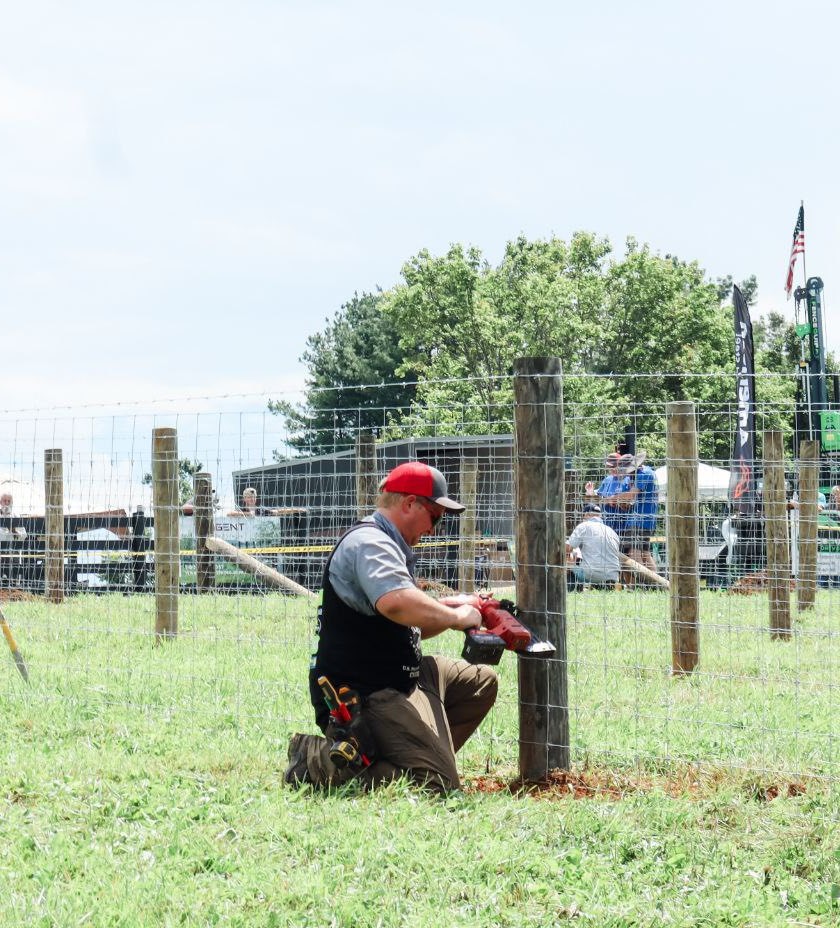
- Check fence corners and line posts for leaning, wobble, or unusual gaps
- Inspect the bottom edges of boards for soft spots or persistent dark staining
- Look at rails for separation where boards meet the structure
- Test gates: latch engagement, hinge looseness, and dragging when opening
- Scan for missing or backed-out fasteners along the fence line
- Confirm the fence area drains away from the posts instead of pooling around them
A representative scenario (what “repairs over time” can look like)
Imagine a homeowner in Highland, WI with a wood privacy fence that looks fine from a distance. After a rainy stretch and the first hard freeze, they notice one section has a slightly larger gap near the bottom and the gate starts to sag. The boards are not completely broken yet, but the hinge side is slowly changing alignment. In this situation, addressing the shifted posts and correcting the gate alignment typically matters more than swapping a few boards, because the fence will keep moving until the structure is stabilized.
Frequently asked questions
How often should I expect wood fence repairs in Highland, WI?
What signs mean it is time to repair versus wait?
Can I fix a loose board without addressing posts?
Does vinyl fence installation or chain link fence installation reduce repair frequency?
What should I do if my wood fence is for privacy?
Need help deciding between repair and a fresh install?
If you want a clear next step for your wood fencing in Highland, WI, H&S Fencing & Supply can help you evaluate what is fixable now and what is likely to keep failing. You can also explore related service options like wood fencing and access control services when gates or secure perimeters are part of the project.
Explore fencing services
About H&S Fencing & Supply
H&S Fencing & Supply provides fence contractor services for customers in Highland, WI and nearby communities, including Dubuque, Madison, La Crosse, Milwaukee, Tomah, Beloit, Cedar Rapids, Galena, Baraboo, and Portage. Their team supports projects that include wood fencing and related perimeter solutions, helping homeowners and property managers plan repairs and maintenance with practical, on-site guidance.