

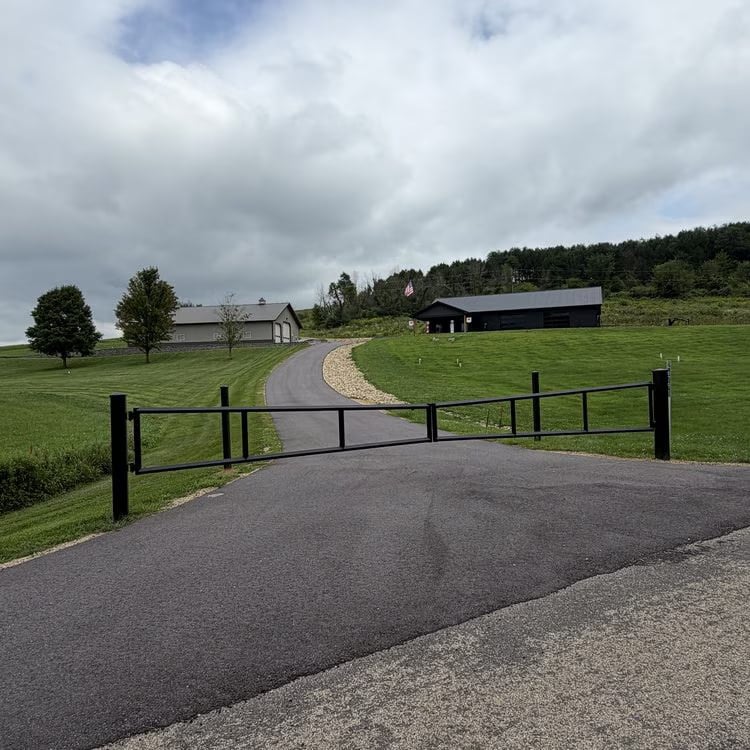
Need Wood Fence Installation? Fix Gaps and Sagging Boards
If your wood fence in Highland, WI has started pulling apart, leaving gaps, or sagging between posts, you are not imagining it. Temperature swings, freeze-thaw cycles, and moisture can loosen boards and shift supports over time. This guide helps you spot what is actually failing and choose the right next step for wood fence installation, repair, or replacement.
One morning in late winter, you notice the fence line looks different. By spring, that small gap near a corner post is wider, and a section of boards hangs lower than the rest.
In Highland, WI, fences take a beating from snow load, wind, and freeze-thaw movement. If you keep tightening loose boards without addressing the underlying issue, the problem usually comes back. Below, you will learn how to identify what is causing the gaps and sagging so you can make a practical plan for your wood fence installation or repair.
- Quick answer
- What to check first
- Main things customers should understand
- Why this matters in Highland, WI
- Common mistakes to avoid
- Customer checklist
- Frequently asked questions
Quick Answer
If your wood fence has gaps and sagging boards, start by checking the posts first. Loose or shifted posts and damaged rails usually cause the fence to rack, which then pulls boards out of alignment. Replace only the boards is sometimes enough, but if posts are leaning, rotted, or the rails are failing, repair becomes a bigger project. A practical recommendation is to have a fence contractor inspect the structure and determine whether you need targeted board replacement, rail repair, or full wood fence installation for the affected sections.
What to Check First
Before you buy materials or start removing boards, do a quick structural walkthrough. You are looking for the “source” of the sag and gaps, not just the visible boards that look bad.
Professional observation: Gaps that get bigger over time usually mean the fence frame is moving, which is often tied to post stability and rail condition.
- Check each post at the ground line for softness, wobble, or visible rot.
- Look for rails that are cracked, separated, or pulling away from posts.
- Walk the fence line and note where boards dip the most and where gaps start.
- Inspect gates separately. A sagging gate can point to hardware or hinge issues, not just the fence boards.
- Confirm whether the fence is level in one section but out-of-line in another, which can signal a shifted corner or end post.
When you spot the first weak point, you can better explain the issue to a contractor and avoid “band-aid” repairs that do not hold. If your fence is also separating at intersections or corners, that is a strong clue that the framing needs attention, not only the slats.
Main Things Customers Should Understand
Wood fences typically fail in patterns. Understanding the pattern helps you choose between fixing a section and planning a fuller wood fence installation. Here are the main factors that drive gaps and sagging boards.
Posts lose stability
When a post shifts, the entire fence line changes angle. Boards then look “uneven,” and gaps open up because the frame is no longer square.
Rails and fasteners loosen
Rails hold the spacing. If rails crack or fasteners loosen, boards can slide, sag, and pull away from the fence’s intended layout.
Moisture and freeze-thaw strain
In Highland, WI, wet winters and spring thaw can stress wood connections. Even small movement repeats all season long.
How repairs usually fall into categories
Depending on what you find during inspection, a fence contractor may recommend one of these approaches: replacing boards and re-spacing them, repairing or replacing rails, resetting or replacing posts, or rebuilding the affected run. If the fence frame is compromised, the “best-looking” fix may not be the most durable one.
| What you notice | Likely cause | Typical next step |
|---|---|---|
| Boards sag between posts, but posts feel solid | Rails and/or fasteners are failing | Rail repair or replacement, then reattach boards |
| Gaps widen near corners or fence ends | Corner/end post shift or framing misalignment | Reset or replace affected posts, then realign rails |
| Boards pull away and fence line looks “racked” | Frame is out of square due to post movement | Address post stability before board replacement |
| Only one small section looks different | Localized damage or isolated rail failure | Targeted section repair and board replacement |
Why This Matters in Highland, WI
In Highland, WI, winter can amplify small fence problems. Freeze-thaw movement can loosen fasteners and increase the chance that a marginal post connection shifts. If your fence sits in a high-wind area or receives heavy snow drift, the load on posts and rails can rise quickly, then relax, then rise again as conditions change. That cycle is why gaps can appear to “grow” from one season to the next.
Local practical tip: If you have a section that always seems to sag first, treat it like a structural zone. That pattern often points to a specific post line or rail run that needs repair as a unit.
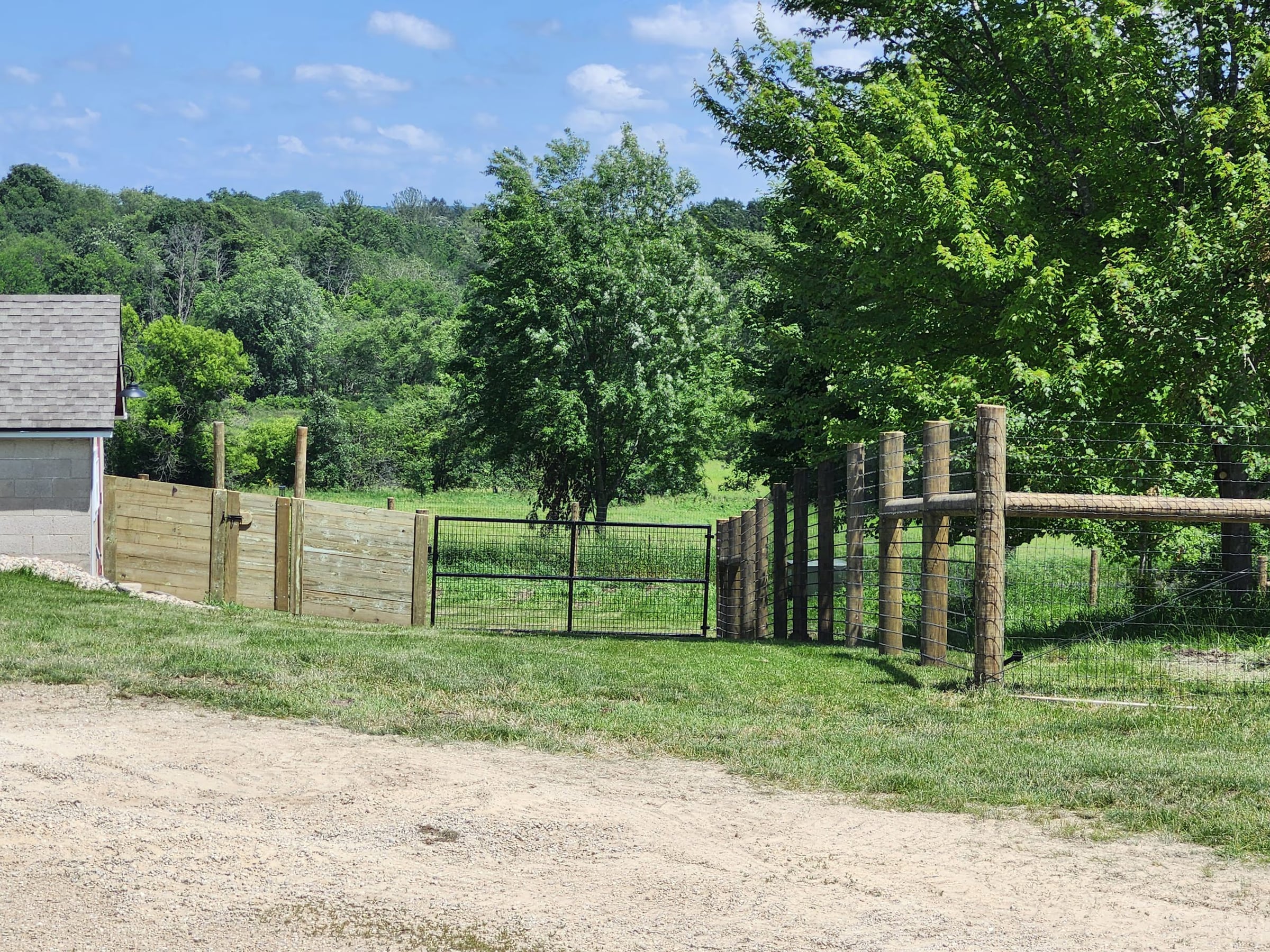
If you are also considering other fencing options for the same property, it can help to compare materials based on your goals. For example, some homeowners choose different fencing styles depending on privacy needs, maintenance preferences, or how they manage farm & animal fencing. H&S Fencing & Supply supports a range of fence types and services, including wood fence installation.
Common Mistakes to Avoid
It is easy to chase the visible problem with wood fence repairs. The trouble is that gaps and sagging are usually symptoms. Here are common mistakes that can cost you time and money in the long run.
Common mistake: Replacing boards without checking posts and rails. If the frame is still moving, new boards will follow the same failure path.
- Only tightening screws or nails: If the rail is cracked or pulling away, fasteners will loosen again as the fence shifts.
- Ignoring a wobbly end post: Gates and fence ends often take the biggest stress. If the end moves, the whole run can rack.
- Assuming “weather” is the full explanation: Weather creates the stress, but the underlying cause is usually structural, like post stability or rail condition.
- Matching boards without addressing spacing: If the frame is out of alignment, even matching wood can create new uneven gaps.
If you want to compare fence styles for a similar property goal, you can also explore fencing options to see what fits your needs before committing to a full rebuild.
Customer Checklist
Use this practical checklist to get ready for an inspection or repair estimate. Bringing these details helps you and your contractor move faster and agree on a clear plan.
- Take a few photos of the sagging section and the closest corner or end post.
- Walk the fence line and mark where the gaps start and where they stop.
- Note whether the problem appeared after a storm, heavy snow, or a season change.
- Check gates: do they sag, stick, or swing unevenly compared to the rest of the fence?
- Decide what you want most: privacy fence installation, keeping animals in, or restoring a straight line.
- Review whether you want a repair-only approach or a wood fence installation plan for the affected run.
Representative Scenario
A homeowner in Highland, WI noticed a privacy section near a corner post developed a growing gap after winter. The boards looked uneven, and one rail appeared to be separating from the post. Instead of replacing just the boards in the lowest area, the homeowner had the fence inspected. The inspection showed the corner post had shifted enough to rack the run. The repair focused on restoring post stability and realigning the rails first, then reinstalling boards so the fence line stayed straight.
Frequently Asked Questions
Can I fix sagging wood fence boards without replacing the posts?
Sometimes. If the posts feel firm and you do not see rot or wobble, the sagging may be coming from failing rails or loosened fasteners. In that case, rail repair and reattachment of boards can restore the fence line. If a post has shifted, though, new boards will usually follow the movement. A contractor inspection helps determine whether posts need resetting or replacement before you spend on materials.
What causes gaps in a wood fence to widen over time?
Widening gaps often mean the fence frame is losing alignment. Common culprits include post movement, rail cracking, or connections loosening at fasteners. Freeze-thaw cycles can increase movement in Highland, WI, which repeats the problem season after season. If you only replace boards, the fence can still rack, and gaps can return in a new location.
Is privacy fence installation different from basic wood fence repair?
Privacy fence installation usually focuses on consistent board spacing and a continuous barrier line, which depends on straight rails and stable posts. For repairs, the goal is often to restore structure first, then rebuild the visual privacy line. If your current fence is sagging or racking, a repair plan may include realigning the run so the boards create a uniform look again.
Would vinyl fence installation or chain link fence installation be easier than wood?
It depends on your priorities. Some homeowners prefer the look and feel of wood, even when repairs are needed. Others choose different materials to reduce certain maintenance needs or to match how they use the property. If you are comparing options, you can explore chain link fence installation or other fence types to find the best fit for your yard, pets, or farm & animal fencing goals.
How should I prepare before a contractor inspects my fence?
Walk the fence line and note where gaps start and where the worst sagging happens. Check posts for wobble or softness near the ground and look for rails that appear cracked or separated. If you have a gate, test how it swings and whether it drags. Taking a few photos and describing when you first noticed the change helps your contractor quickly identify whether you need targeted board replacement, rail repair, or wood fence installation for the affected section.
Get a focused inspection for your wood fence
If you are dealing with gaps, sagging boards, or a fence line that looks out of square, H&S Fencing & Supply can help you identify what is actually failing and what the repair plan should target.
Schedule with H&S Fencing & SupplyReady to restore the fence line?
When wood fences start separating, the best results usually come from addressing the frame: posts first, then rails, and finally boards. That approach helps the fence stay aligned through the seasons, especially in Highland, WI.
Call for wood fence installation or repair
Whether you need privacy fence installation, farm & animal fencing support, or help choosing fencing supplies and materials, you can reach H&S Fencing & Supply at the number below.
Call (608) 732-4260
About H&S Fencing & Supply
H&S Fencing & Supply is a fence contractor serving Highland, WI and nearby communities. They help homeowners and property owners with fence solutions and fencing supplies and materials, including residential fencing, wood fence installation, and other fence services designed to meet real property needs.