

Signs Your Vinyl Fence Needs Professional Installation
If your vinyl fence is starting to sag, wobble, or show gaps after a season or two, it is usually not “just cosmetic.” In Highland, WI, freeze-thaw weather and snow loads can expose installation issues fast. This guide helps you spot the warning signs, understand what is likely going wrong, and decide when professional vinyl fence installation is the safer fix.
Last winter, the fence looked solid. This spring, you notice one section is not lining up, a gate does not close the same way, and a couple of pickets look slightly out of place. You might be tempted to tighten a hinge or push a post back into position.
In Highland, WI, that “small shift” can be the start of a bigger problem, especially once the ground warms, contracts, and settles again. Below, you will learn what to check, what installation problems those signs often point to, and what to ask for when you want a proper, long-lasting setup.
- Quick answer
- What to check first
- Main things customers should understand
- Local insight
- Common mistakes
- Customer checklist
- Frequently asked questions
Quick Answer
If your vinyl fence is sagging, leaning, or developing noticeable gaps, it usually points to post placement, footing depth, alignment, or hardware spacing that was not set up correctly. Start by checking gate operation, post wobble, and whether the fence line stays straight through each panel. If you find movement at the posts or repeated misalignment after weather changes, choose professional installation rather than patching. A contractor can evaluate the full run, correct the layout, and ensure the system is installed to handle Highland’s freeze-thaw cycles.
What to Check First
Before you buy parts or try to “fix it later,” do a quick walk-through. These checks often reveal whether the issue is tied to the fence framework and installation, not just a few individual panels.
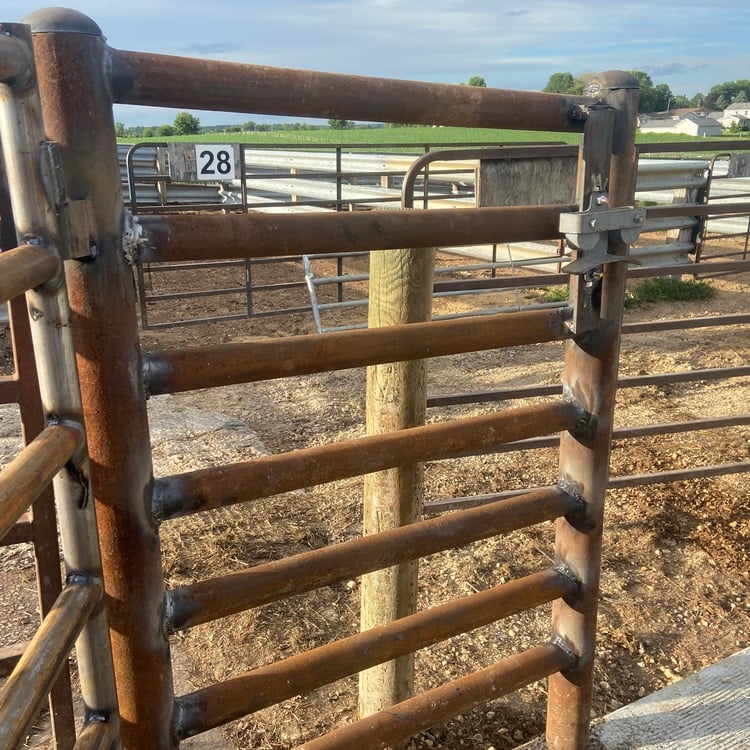
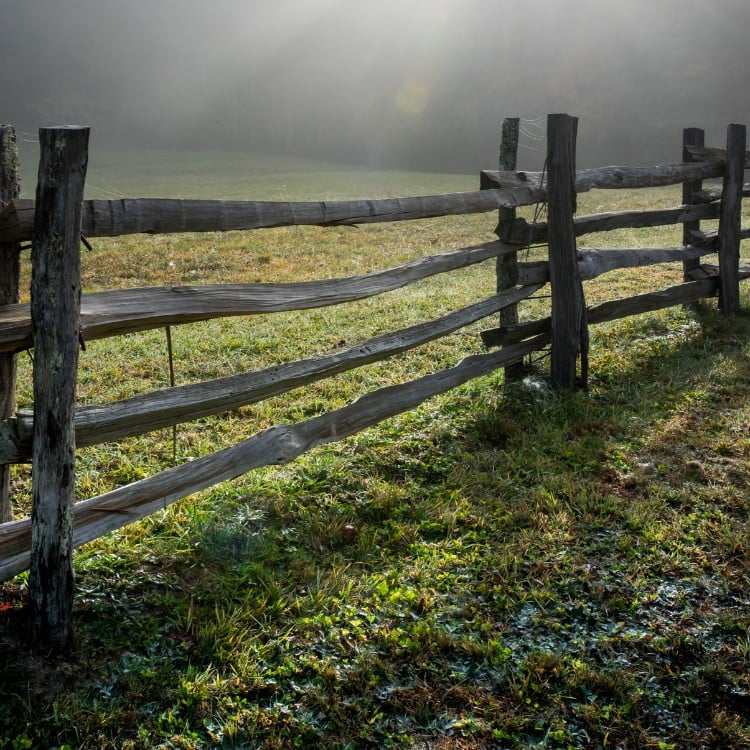
- Post movement: Grab a post near a problem spot and gently test for wobble.
- Fence line alignment: Look for a gradual curve or abrupt steps at panel joints.
- Gate behavior: Check whether the gate drags, binds, or leaves uneven gaps when it closes.
- Panel spacing: Watch for widening gaps between sections or pickets compared to the rest of the run.
- Hardware tightness: Note hinges and brackets that appear loose or stressed.
- Ground conditions: Pay attention to low spots, washouts, or areas where the fence sits closer to the slope.
Main Things Customers Should Understand
Vinyl is flexible compared to wood, but it still depends on the structure underneath. When the posts are not set with the right spacing and stable support, the fence can shift under load. That shift can show up as sagging, bowed sections, or a gate that never quite closes cleanly.
Professional observation: Many vinyl fence issues start at the posts. If the post locations or footing support are off, the fence panels will “tell on” the problem over time, especially after winter weather in Highland, WI.
Here are the most common installation-related causes behind the signs homeowners notice:
1) Uneven post depth or unstable support
If one section has more movement, it can be tied to footing inconsistency. Freeze-thaw cycles can lift or settle areas where footing support is weaker, leading to misalignment.
2) Spacing and alignment that drift over a long run
Even small layout errors can add up. When posts are not aligned as the fence is built, panels may not sit evenly, and the fence line can develop a noticeable curve.
3) Hardware spacing and fastening that do not match the system
Vinyl fences use specific hardware and spacing to keep loads distributed. If brackets or fasteners are not installed as intended, the fence can sag or gaps can appear where the system should remain tight.
4) Gate framing not set for real use
A gate sees more stress than a typical panel. If hinges, latch alignment, or the gate frame geometry is off at installation, the fence may look fine at first, then shift as the gate is opened and closed.
Industry observation from the field
In our day-to-day work, the pattern is consistent: by the time homeowners call about vinyl fence installation issues, the problems are rarely limited to one picket or one bracket. The fence line usually shows the same type of movement across a section, which is why a full evaluation matters. Treating it as a “single part” fix can leave the real cause in place.
Why This Matters in Highland, WI
Highland’s winter conditions can be tough on fence systems. During freeze-thaw seasons, the ground can shift, and that movement can stress fence posts and hardware. If a vinyl privacy fence installation or other vinyl run was not set up with stable support and correct layout, you may see the first signs after the weather cycles through.
Homeowners and property managers in Highland often also look at how fencing fits their property layout: slopes, drainage paths, and areas that receive heavy snow coverage. A professional approach accounts for the fence line’s real conditions, not just the visual layout on a clear day.
Vinyl privacy and alignment
Gaps and uneven spacing can happen when sections shift. Correcting the framework helps the privacy panels sit the way they are designed to.
Gate reliability
If the gate does not close the same way every time, the issue is often hinge alignment or framing setup, not the latch itself.
Long-run consistency
Over long fence runs, small layout errors compound. Professional installation helps keep the entire line straight and stable.
| What you notice | What it often indicates | Best next step |
|---|---|---|
| Sagging or bowed sections | Post support or alignment issues across a panel run | Have the post locations and fence line checked before replacing panels |
| Widening gaps between sections | Framework drift or hardware spacing not holding the system | Inspect brackets and fastening points, then confirm layout |
| Gate dragging or uneven gaps | Hinge or gate frame alignment problems | Adjust the installed geometry, not just the latch |
| Localized wobble at one post | Unstable footing or settlement in that area | Correct the post support and re-align the section |
Need an honest vinyl fence installation check?
If your fence is shifting after weather changes, get a professional evaluation focused on the underlying layout and post support.
Contact H&S Fencing & SupplyCommon Mistakes to Avoid
When vinyl fences start to act up, it is easy to focus on what you can see. But the visible problem is often the result of something structural. Avoid these common paths that can cost more time and money later.
Common mistake: Tightening a bracket that is already under stress. If the post or alignment is off, tightening can move the problem around instead of fixing it.
- Only replacing a panel: If the posts or footing are the issue, new panels can fail in the same way.
- Trying to “straighten it” by force: Vinyl systems rely on correct layout. Forcing alignment can stress hardware and create new gaps.
- Ignoring gate misalignment: Gates are the first place homeowners notice problems, and they often reveal hinge or framing setup issues.
- Assuming the fence will settle back: With freeze-thaw cycles, movement can repeat. Waiting usually does not restore stability.
Customer Checklist
Use this quick checklist when you are ready to talk with a fence contractor. It helps you describe the issue clearly and ensures the inspection covers the parts that actually affect long-term performance.
- Location: Which section and how many panels are affected?
- Timing: When did you first notice sagging, wobble, or spacing changes?
- Gate testing: Does the gate drag, bind, or leave uneven gaps?
- Post movement: Are there specific posts that feel loose or shift when touched?
- Weather correlation: Did the issue appear after winter or after a heavy snow period?
- Property conditions: Any slope, drainage path, or low spot where the fence sits?
- Goal: Do you want to restore alignment, replace a section, or address the full run?
Representative Scenario
A homeowner in Highland, WI noticed their vinyl privacy fence developed a gentle bow near a gate. The gate began to drag, and the gap at one latch side looked wider than it used to. Instead of replacing individual pickets, they scheduled a professional evaluation. The inspection focused on whether the nearby posts were stable and properly aligned with the rest of the run. After correcting the underlying framework and re-setting the gate alignment, the fence stopped “drifting” in that section during normal use.
Frequently Asked Questions
Here are common questions homeowners in Highland ask when deciding whether to repair or re-do a vinyl fence installation.
Is vinyl fence sagging always a sign of broken panels?
Not usually. Sagging is often connected to the posts and their support, or to how the fence line was laid out. Vinyl panels depend on stable spacing and alignment. If the posts shift slightly over time, the fence can bow even if the panels themselves look intact. A professional evaluation checks the framework first so the fix addresses the cause, not only the symptom.
How can I tell if the gate problem is installation-related?
If the gate drags, binds, or closes with uneven gaps, the issue is frequently tied to hinge alignment, gate frame geometry, or how the gate was set relative to the fence line. Hardware can look fine at a glance, but if the frame is not properly aligned during installation, the gate will struggle as soon as it is used. A contractor can verify alignment and correct the setup.
Should I replace a section right away?
Replacing a section can make sense when components are damaged, but it often is not the best first step. If the underlying cause is post support or misalignment, replacement panels may end up shifting the same way. Before replacing anything, focus on whether posts feel wobbly, whether the fence line is truly straight, and whether the issue repeats across a run. That helps you choose the right repair path.
What if my vinyl fence issue started after winter?
That timing often points to movement from freeze-thaw conditions. When the ground shifts, posts and hardware can experience stress, which shows up as leaning, sagging, or spacing changes. In Highland, WI, it is especially common for fence problems to become noticeable after seasonal temperature swings. Having the installation evaluated can prevent the problem from repeating.
Do you also help with other fence types or fencing supplies?
Yes. If you are comparing options or planning a broader property update, you can review H&S Fencing & Supply services for chain link fence installation, wood fence installation, and residential fencing. You can also explore fencing options and services to see what best fits your yard, farm area, or access needs.
Ready to restore a straight, reliable vinyl fence line?
Get help diagnosing what is causing the movement. A professional installation review can keep your fence working the way it is meant to, especially through Highland weather.
Call (608) 732-4260Useful Service Resources
If your project is broader than vinyl, these pages can help you plan the next steps. You can compare styles, explore access needs, or review related installation options.
About H&S Fencing & Supply
H&S Fencing & Supply is a fence contractor serving Highland, WI and surrounding communities. We help homeowners and property managers choose and install fencing solutions, including vinyl fence installation, privacy fence installation, chain link fence installation, wood fence installation, and fencing supplies and materials for projects across the region.